Liquid Membrane Systems
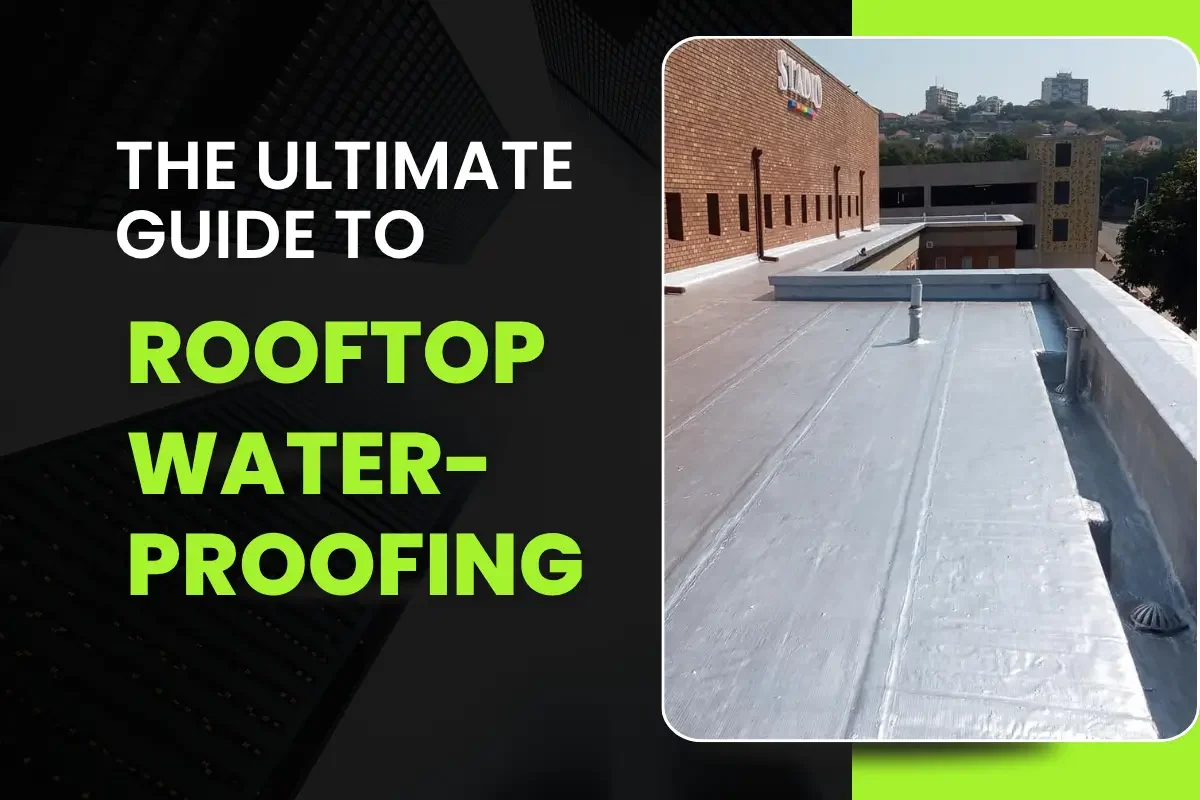
Liquid membrane systems are increasingly recognised as an effective waterproofing solution for flat roofs in commercial properties. These systems consist of liquid-applied membranes that form a seamless barrier, eliminating the need for traditional sheet materials. The flexibility of these membranes allows them to adapt to the building's movements and thermal expansion, which is crucial for maintaining an effective waterproofing layer over time.
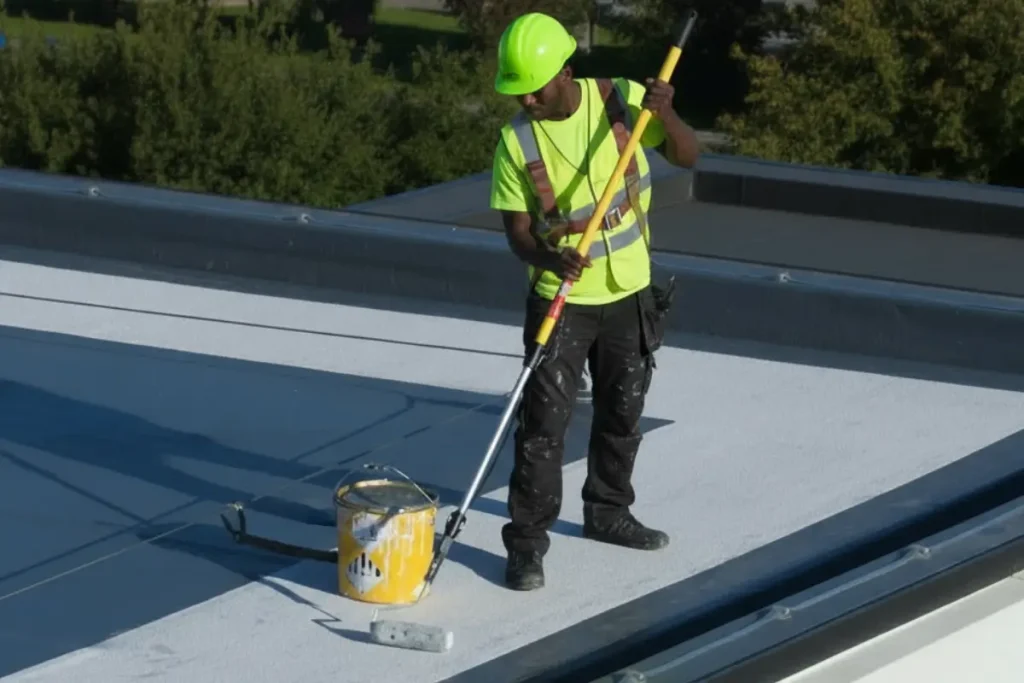
One of the primary advantages of liquid membrane systems is their ease of application. Unlike traditional roofing methods that may require extensive labour and complicated installation processes, liquid membranes can be applied quickly and efficiently. This not only speeds up the installation but also reduces labour costs, making it a cost-effective solution for property owners looking to fortify their roofs against water intrusion.
.
Furthermore, liquid membranes offer exceptional durability and resistance to environmental factors such as UV radiation and extreme weather conditions. This resilience extends the lifespan of the waterproofing system, which can significantly lower maintenance and repair costs for commercial property owners. Regular inspections and minor upkeep can help in prolonging the effectiveness of the membrane, ensuring that the roof remains watertight for years.
In addition to their practical benefits, liquid membrane systems are also versatile in terms of application. They can be used on various substrates, including concrete, asphalt, and metal, making them suitable for a wide range of commercial properties. This adaptability allows property owners to choose a waterproofing method that best fits their specific roofing needs without compromising on performance
Overall, liquid membrane systems present a compelling option for commercial property owners seeking reliable and economical waterproofing solutions for flat roofs. With their seamless application, durability, and versatility, these systems not only protect against water damage but also contribute to the overall longevity of the roofing structure. By investing in a liquid membrane system, property owners can ensure their buildings remain safeguarded against the elements while optimising maintenance and repair costs.
Built-Up Roofing (BUR)
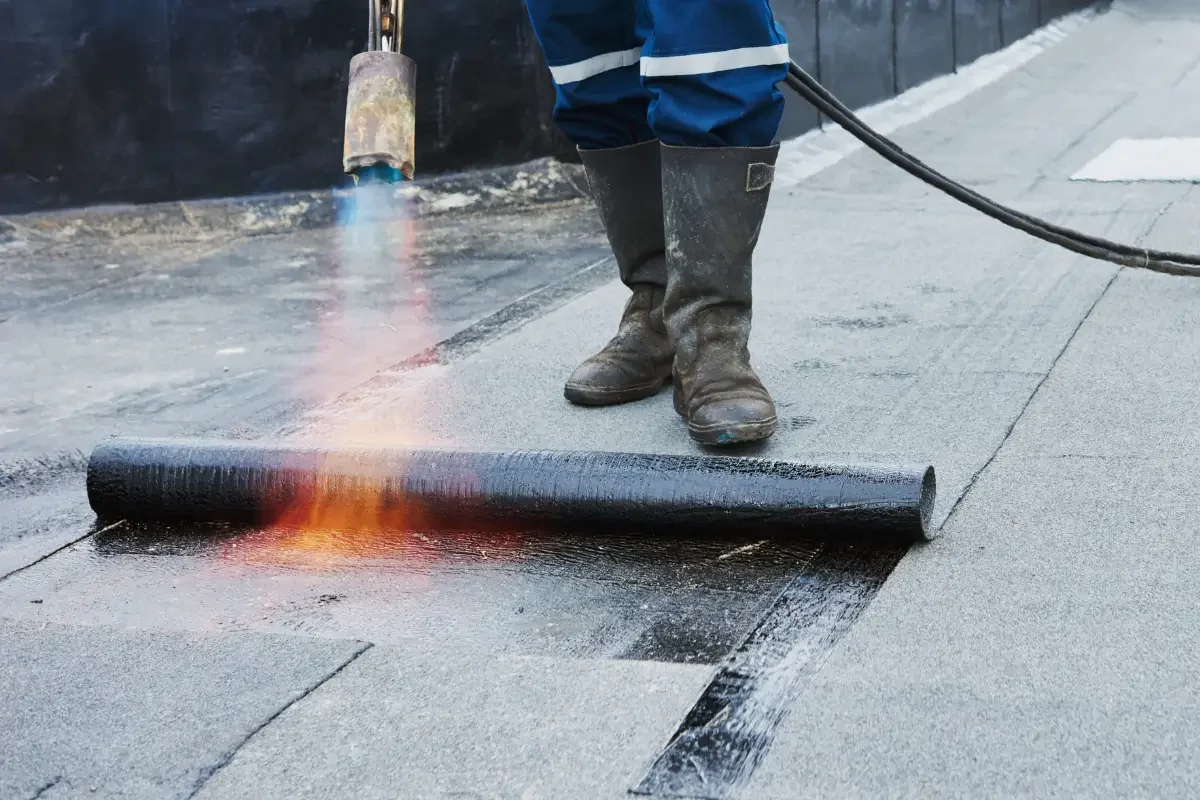
Built-Up Roofing (BUR) is a traditional and time-tested method widely used for flat roofs, especially in commercial properties. This roofing technique involves layering multiple plies of felt and asphalt, creating a durable and robust surface that provides excellent waterproofing. The process is designed to withstand various weather conditions, making it a preferred choice for property owners seeking long-lasting solutions. This method not only enhances the structural integrity of the roof but also offers a reliable barrier against leaks and moisture infiltration.
One of the primary advantages of BUR is its cost-effectiveness. While the initial investment may be higher than some other roofing options, the longevity and minimal maintenance requirements of BUR systems can lead to significant savings over time. With proper installation and periodic inspections, commercial property owners can expect their BUR roofs to last for decades, reducing the need for frequent repairs or replacements. This makes BUR a financially sound choice for those managing commercial properties, particularly in areas prone to harsh weather.
Maintenance of a BUR system is relatively straightforward, which is another reason it remains popular among commercial property owners. Regular inspections can help identify any potential issues before they escalate into costly repairs. Simple maintenance tasks, such as cleaning gutters and ensuring proper drainage, contribute to the longevity of the roof. Additionally, if repairs are needed, BUR roofs can often be patched without requiring extensive work, allowing for efficient and effective upkeep.
When considering waterproofing methods for flat roofs, BUR stands out due to its versatility. It can be modified to include additional layers or materials to enhance its performance, such as adding a gravel ballast or reflective coatings to improve energy efficiency. This adaptability ensures that BUR can meet the specific needs and preferences of different commercial properties, making it an attractive option for property owners looking for tailored solutions.
In conclusion, Built-Up Roofing provides a reliable and effective waterproofing strategy for commercial flat roofs. Its combination of durability, cost-effectiveness, and ease of maintenance makes it a smart choice for property owners. As they seek ways to fortify their roofs against water damage, BUR offers a time-honoured solution that meets both practical and financial needs, ensuring the integrity of their investments for years to come.
Single-Ply Membrane Roofing
Single-ply membrane roofing has emerged as a leading solution for commercial property owners seeking effective waterproofing strategies for flat roofs. This roofing system is composed of a single layer of synthetic material, typically thermoplastic or thermoset, which offers numerous advantages over traditional multi-ply systems. Its seamless design is particularly beneficial in preventing water accumulation and leaks, making it an ideal choice for flat roofs that are prone to water pooling.
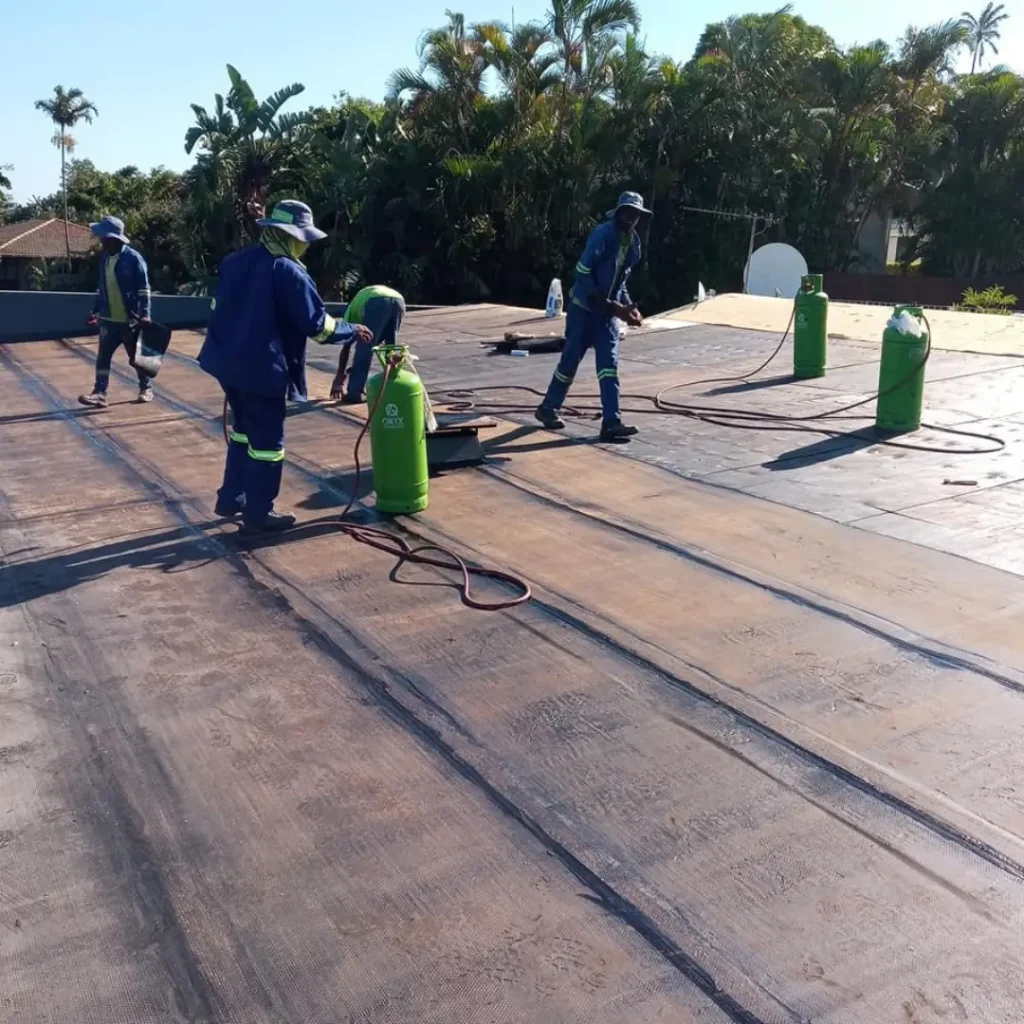
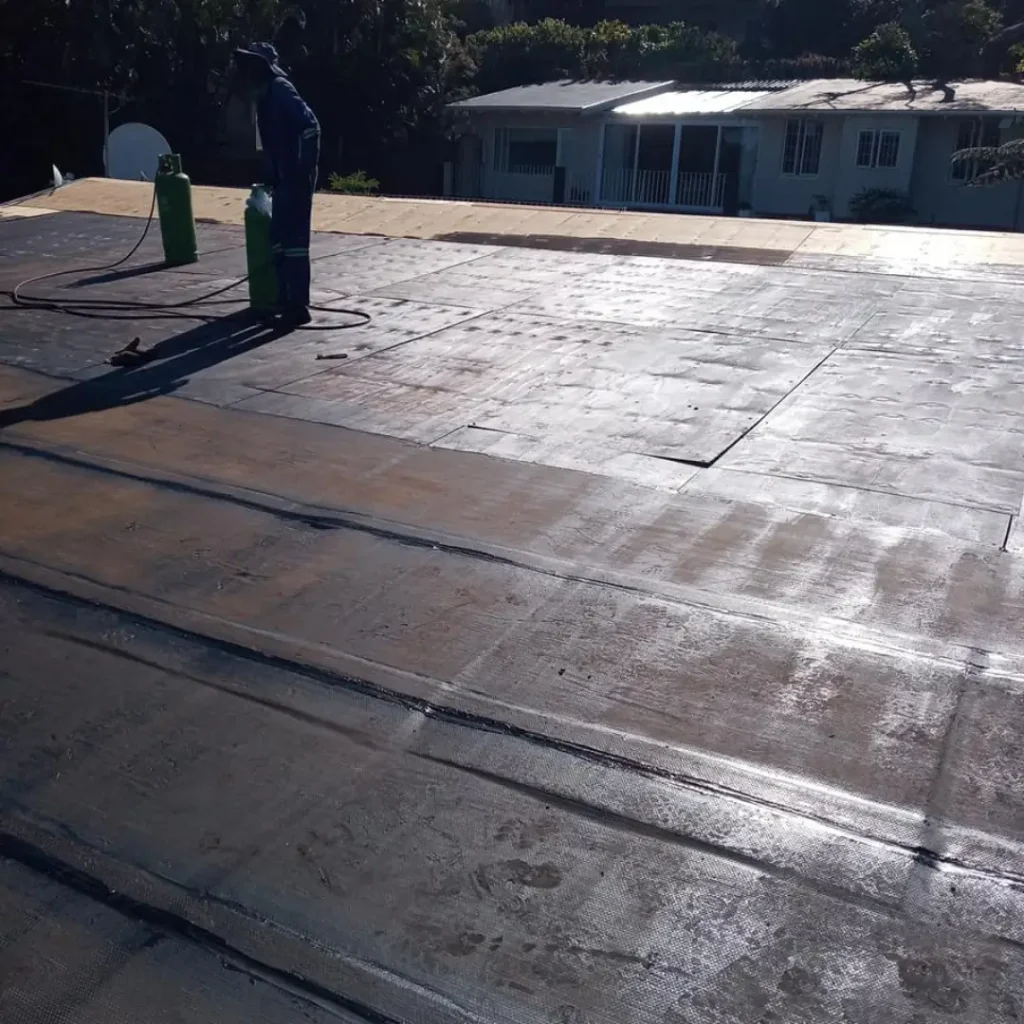
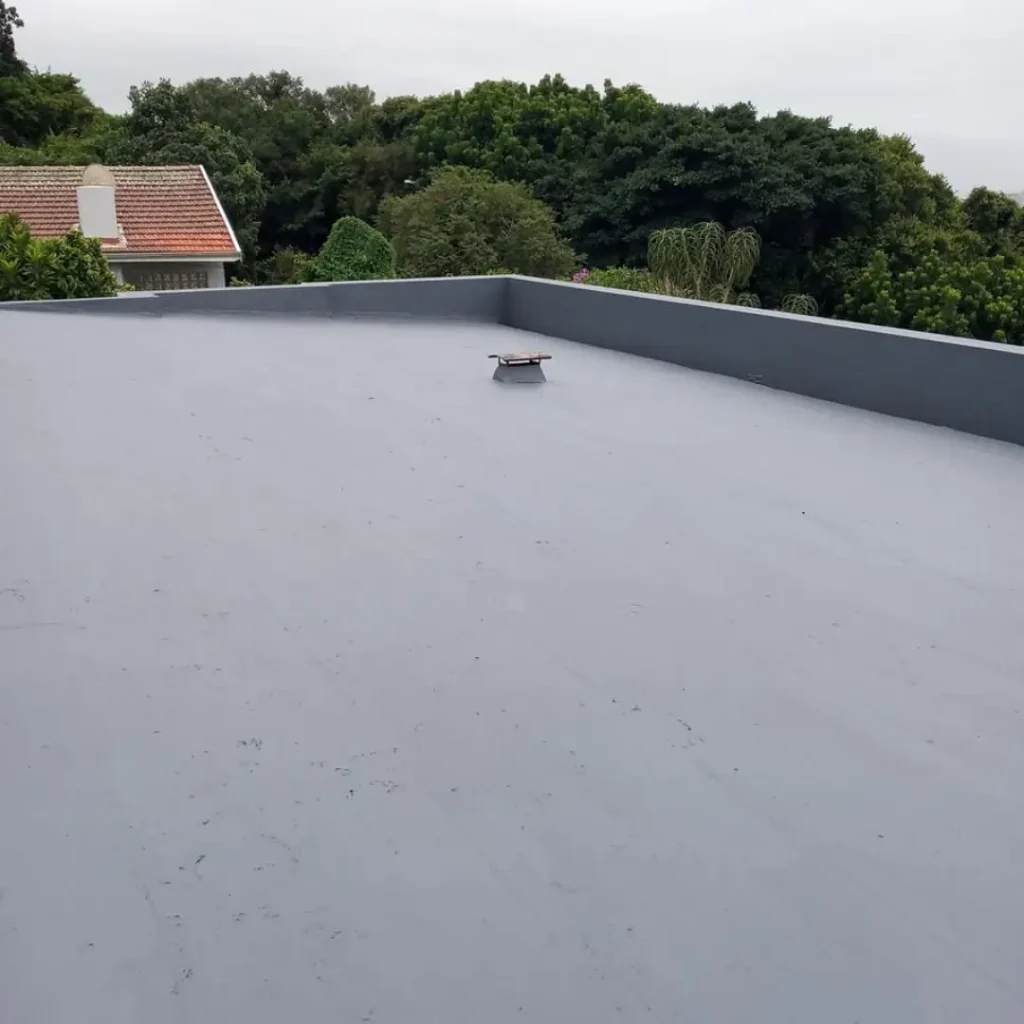
One of the primary benefits of single-ply membranes is their cost-effectiveness. These materials are lightweight and often less expensive to install compared to traditional roofing options. Furthermore, their durability ensures that maintenance and repair costs are kept to a minimum, allowing property owners to allocate resources more efficiently. With proper installation, single-ply roofs can last upwards of 20 years, making them a wise investment for long-term property management.
Maintenance of single-ply membrane roofs is relatively straightforward, which is another attractive feature for commercial property owners. Regular inspections and basic upkeep can extend the lifespan of these roofs significantly. Property owners are encouraged to schedule routine maintenance checks to identify any potential issues early, such as punctures or seam separations, which can be easily repaired before they escalate into more significant problems.
In terms of environmental impact, many single-ply membranes are designed to be energy-efficient, reflecting sunlight and reducing heat absorption. This characteristic not only contributes to lower energy costs but also enhances the overall sustainability of the building. Additionally, some manufacturers offer recyclable options, allowing property owners to choose a more environmentally friendly roofing solution that aligns with their corporate social responsibility goals.
In conclusion, single-ply membrane roofing stands out as a highly effective waterproofing method for flat roofs in commercial properties. Its combination of durability, cost-effectiveness, and ease of maintenance makes it a preferred choice among property owners. By investing in this roofing system, owners can ensure their buildings remain protected against water damage while also benefiting from energy efficiency and sustainability.
Spray Polyurethane Foam (SPF)
Spray Polyurethane Foam (SPF) is another waterproofing method for flat roofs, especially in commercial properties. Its unique composition allows it to expand upon application, filling in cracks and crevices that might otherwise lead to leaks. SPF creates a seamless barrier, effectively preventing water infiltration and thereby prolonging the lifespan of the roof. This method is not only efficient but also offers excellent insulation properties, which can lead to reduced energy costs over time.
Maintenance and repair of SPF roofs are relatively straightforward compared to other roofing materials. Regular inspections can help identify any areas that may require touch-ups, ensuring the integrity of the waterproofing layer is maintained. Unlike traditional roofing systems, which may require extensive labour for repairs, SPF can often be repaired with a simple spray application, making it a cost-effective choice for commercial property owners.
The cost-effectiveness of Spray Polyurethane Foam is further enhanced by its longevity. With proper maintenance, SPF roofs can last up to 50 years, which is significantly longer than many other roofing solutions. This durability translates into lower overall costs for property owners, as they are less likely to face frequent repairs or replacements. Additionally, the energy savings achieved through enhanced insulation can contribute to a quicker return on investment.
Another advantage of SPF is its environmentally friendly nature. Many SPF products are made from recycled materials and can contribute to LEED certification for green buildings. This aspect is increasingly important for commercial property owners who are looking to enhance their sustainability credentials. By choosing SPF, owners not only protect their investments but also align with broader environmental goals.
In conclusion, Spray Polyurethane Foam stands out as a premier waterproofing solution for flat roofs on commercial properties. Its ease of maintenance, cost-effectiveness, and environmental benefits make it a compelling choice for property owners. By investing in SPF, commercial property owners can ensure their roofs are well-protected against water damage while also benefiting from energy savings and reduced long-term costs.
Green Roof Systems
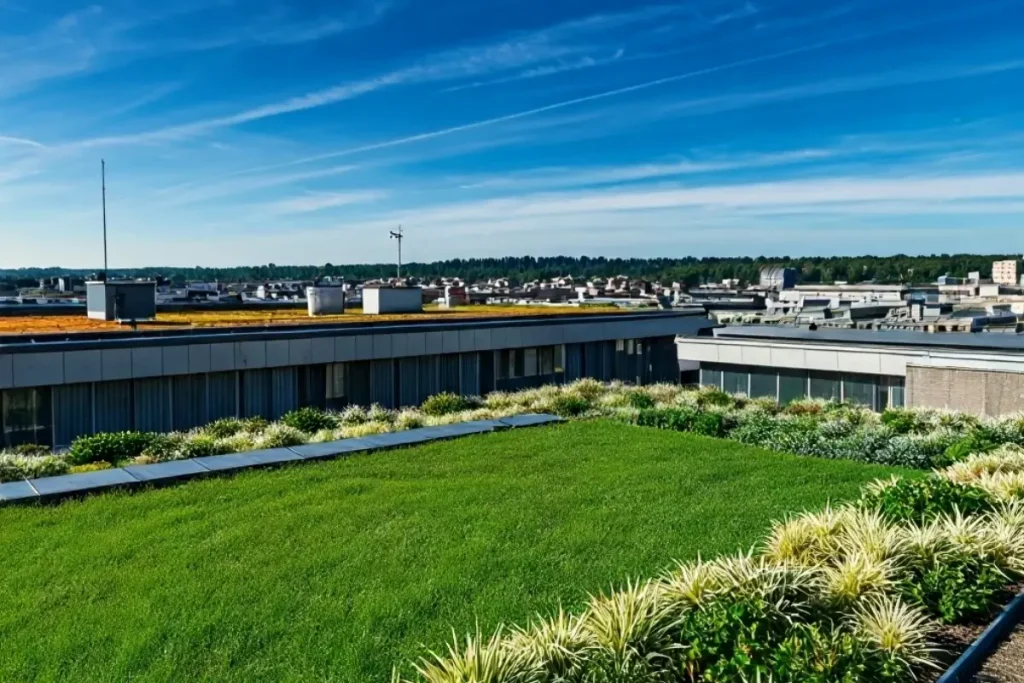
Green roof systems have gained popularity among some commercial property owners due to their numerous benefits. These systems not only enhance the aesthetic appeal of buildings but also contribute significantly to energy efficiency. By providing insulation, they help to reduce heating and cooling costs, making them a cost-effective solution for flat roofs. Additionally, these roofs can absorb rainwater, which mitigates stormwater runoff, a crucial consideration for urban properties.
The waterproofing method used in green roof systems is vital to their success. A quality waterproof membrane must be installed beneath the soil and vegetation layers to prevent leaks and protect the building structure. This membrane acts as a barrier against moisture, ensuring that the roof remains dry and free from damage. Regular maintenance is essential to check for any signs of wear or damage to the membrane, ensuring the longevity of the green roof system.
Maintenance of green roofs involves more than just checking the waterproofing layer; it includes monitoring the health of the plants as well. Regular inspections should be conducted to assess plant growth and soil quality. An effective maintenance plan not only prolongs the life of the roof but also ensures that the green space continues to thrive, providing all the benefits associated with a green roof system.
Cost-effective waterproofing methods for green roofs include the use of advanced materials that offer superior durability and performance. Investing in high-quality membranes may have a higher initial cost, but their longevity and reduced maintenance needs can lead to significant savings over time. Furthermore, the energy savings achieved through improved insulation can offset the initial investment, making green roofs an economically viable choice for commercial properties.
In conclusion, green roof systems represent an innovative solution for commercial property owners looking to enhance their flat roofs. With proper waterproofing, diligent maintenance, and consideration of cost-effective methods, these roofs can provide a sustainable and attractive addition to urban environments. As the demand for eco-friendly solutions grows, investing in green roofs can position property owners as leaders in sustainability while reaping the economic benefits associated with energy efficiency and reduced maintenance costs.

Message our experts to find out about the best waterproofing method for your flat roof, or speak to them directly – Darren: +27 73 306 4448 or Justin: +27 84 942 6279
FREE ROOF INSPECTIONS IN THE GREATER DURBAN AREA