Your roof takes a beating in South Africa’s climate—blistering summers, heavy rains, coastal winds, and occasional hailstorms. Ignoring roof maintenance can lead to leaks, structural damage, and expensive repairs. The good news is, a bit of routine care can keep your roof in top shape for decades. Here’s how to do it right.
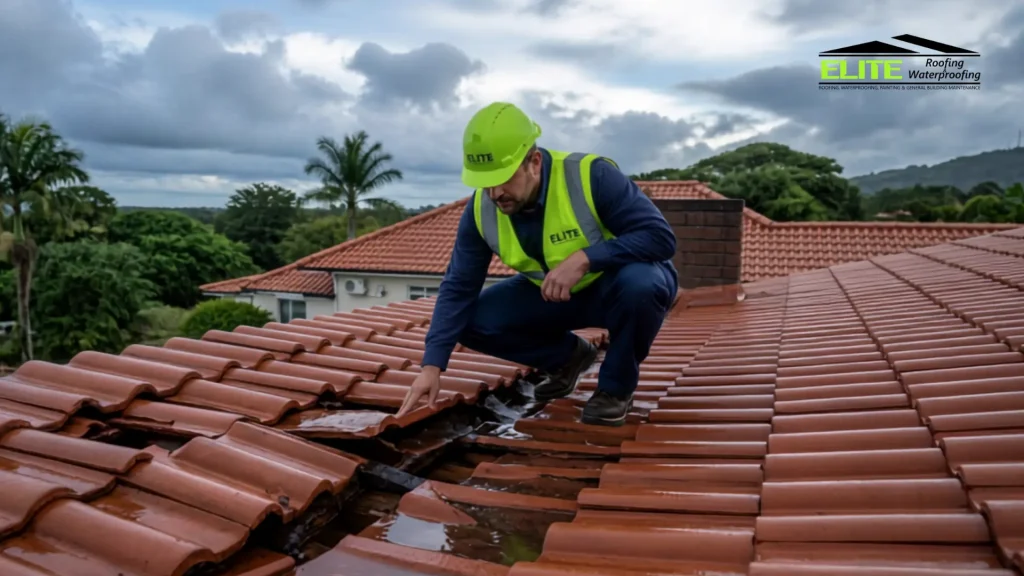
1. Inspect Your Roof Twice a Year
Do a visual inspection at least every six months—ideally at the start of summer and end of winter. Look for:
- Cracked, broken, or missing tiles
- Rust on metal sheets or fasteners
- Signs of water pooling or sagging
- Blocked gutters and downpipes
- Moss, lichen, or algae growth
Use binoculars or a drone for a closer look if you can’t get onto the roof safely.
2. Clear Gutters and Downpipes
Clogged gutters cause water to back up and seep under roof coverings. In areas with lots of trees—especially jacarandas and pines—clean gutters every three months. Don’t forget to check that downpipes aren’t blocked and that water flows away from your home’s foundations.
3. Trim Overhanging Trees
Overhanging branches drop leaves and create shady, damp spots where moss and mould thrive. Worse, they can break and damage the roof during storms. Trim back trees at least a metre from your roofline.
4. Watch for Rust and Corrosion
For metal roofs and fittings, rust is the enemy. Spot any early signs—bubbling paint, red or brown staining—and treat them with a wire brush, rust converter, and weatherproof paint. Make sure flashing and fasteners are also in good condition.
5. Deal With Moss and Algae Promptly
Moss and algae trap moisture and slowly degrade roof materials. Use a soft broom or brush to remove small growths. For larger patches, apply a roof-friendly treatment product—never use high-pressure washers, as they can damage tiles and waterproofing.
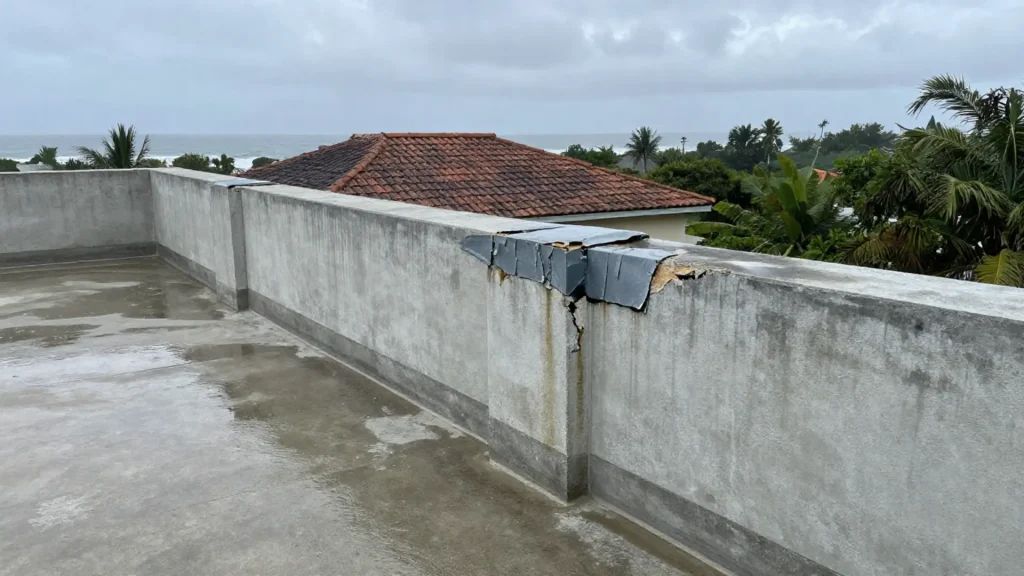
6. Check Flashing and Seals
Flashing protects vulnerable joints—around chimneys, skylights, and valleys. Over time, it can lift or crack. Re-seal or replace worn flashing before it lets water in. Pay attention to rubber seals around solar geysers and satellite dishes too.
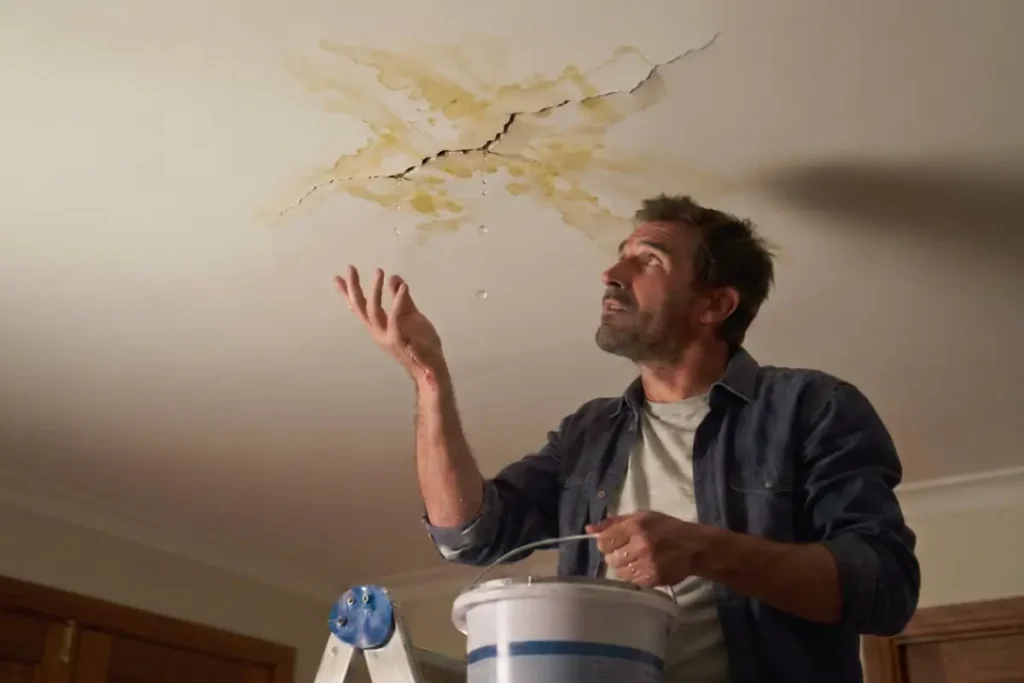
7. Look Inside for Signs of Leaks
Check your ceiling and roof cavity for damp patches, mould, or peeling paint. These usually mean water is getting in from above. Early detection can save you a fortune.
8. Hire a Professional When Needed
Some jobs aren’t DIY-friendly—especially if your roof is steep, high, or made of fragile tiles. Bring in a reputable roofing contractor for annual inspections, large repairs, or work at height. Make sure they’re registered with the relevant local bodies and have insurance.
9. Keep a Roof Maintenance Record
Record dates of inspections, repairs, and any replacements. It helps when selling your home and gives you a clear maintenance timeline.
Final Thought
South African weather isn’t kind to neglected roofs. Regular maintenance can help prevent leaks, reduce costs, and protect your home’s value. A well-maintained roof isn’t just practical—it’s peace of mind.
At Elite Roofing and Waterproofing we offer a free roof inspection. Contact Us