Waterproofing is one of the most important, yet often overlooked, aspects of home maintenance. Whether you're dealing with a new build or maintaining an older property, protecting your home from water damage is essential to preserving its structural integrity, value, and habitability.
What Is Waterproofing?
Waterproofing refers to the process of making a structure resistant to the ingress of water. It involves using materials and techniques to prevent water from penetrating walls, roofs, basements, and other vulnerable areas. Proper waterproofing ensures that your home stays dry, healthy, and free from mould, rot, and corrosion.
Why Is Waterproofing Important?
Water can be surprisingly destructive. Over time, even minor leaks can lead to significant damage. Here’s why waterproofing matters:
- Structural Protection: Moisture can weaken concrete, warp timber, and erode mortar.
- Health Concerns: Damp environments promote the growth of mould and mildew, which can trigger respiratory problems.
- Energy Efficiency: Wet insulation is ineffective, leading to higher heating bills.
- Property Value: A home with visible signs of water damage or damp is harder to sell and often loses value.
Common Problem Areas
Water doesn’t need much space to cause trouble. Here are the areas most at risk:
- Basements and Cellars: These sit below ground level and are prone to groundwater seepage.
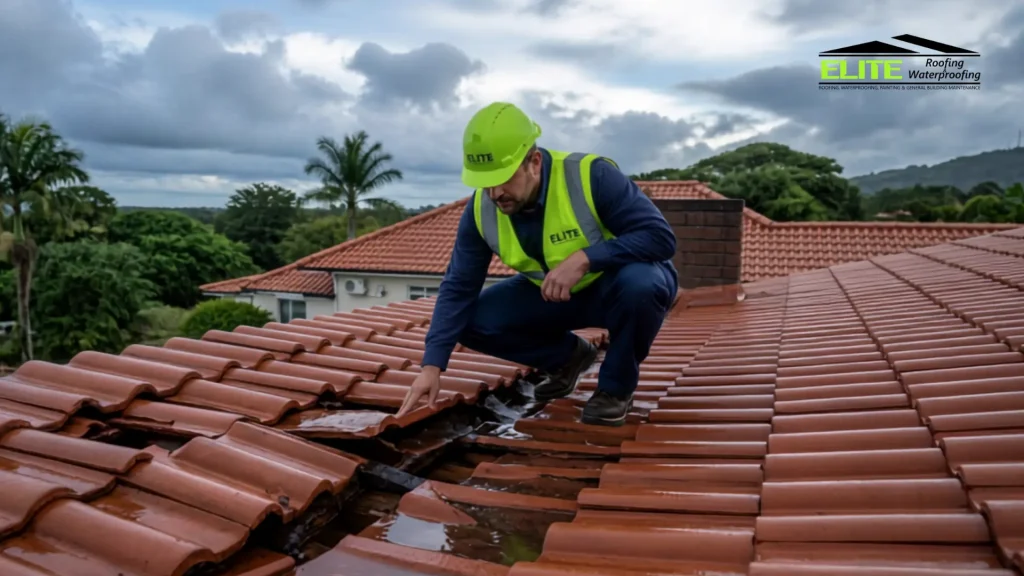
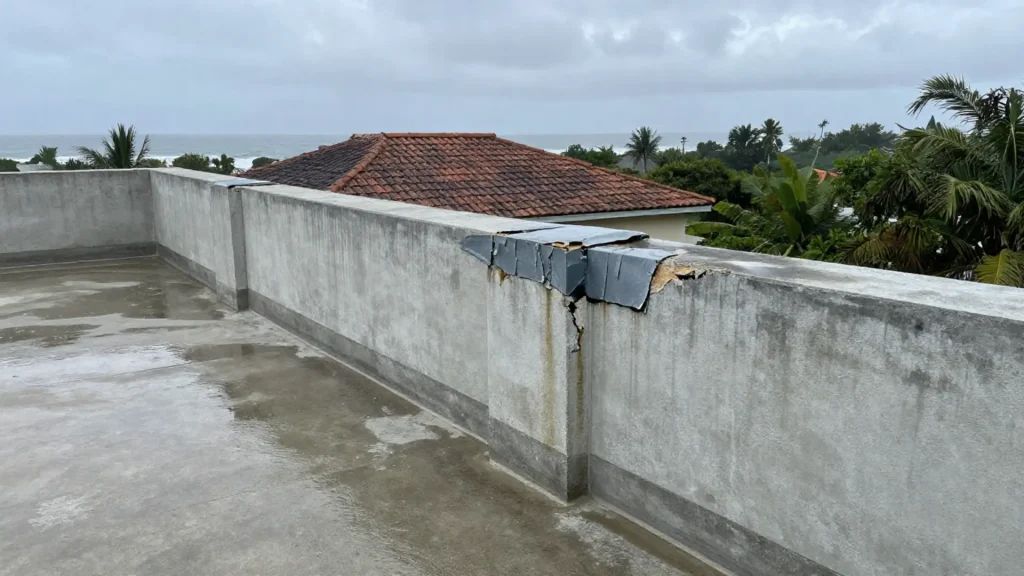
- Roofs and Gutters: Broken tiles, clogged gutters, or damaged flashing can allow rain to penetrate.
- Walls: Cracks in masonry or improperly sealed joints let moisture in.
- Bathrooms and Kitchens: Frequent use of water in these areas increases the risk of leaks and damp patches.
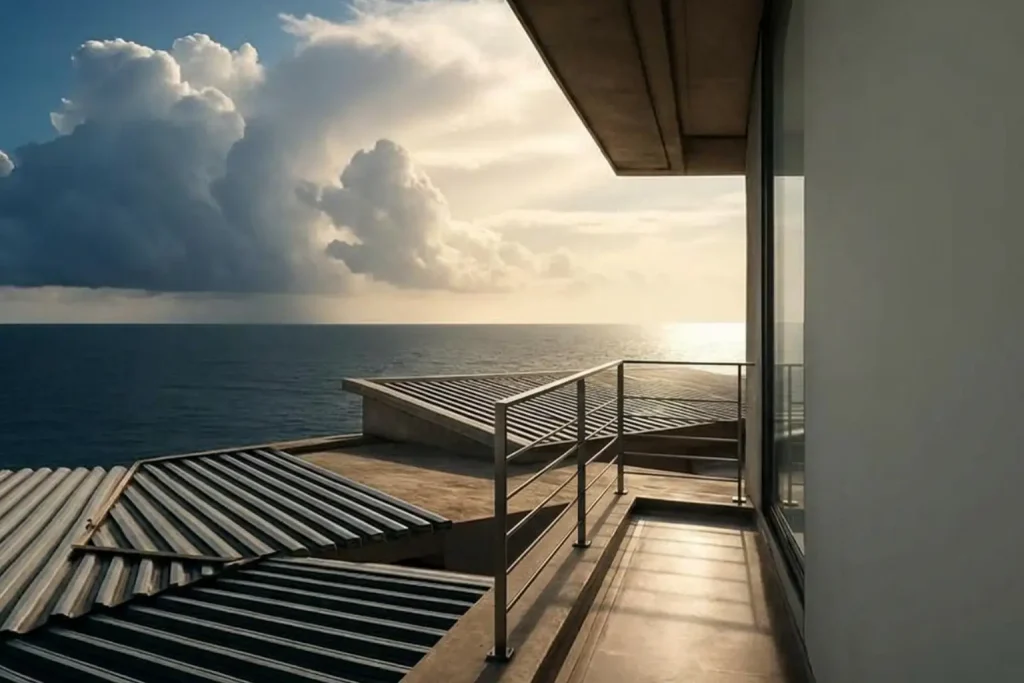
- External Decks and Balconies: Without proper sealing, these exposed surfaces can absorb water.
Types of Waterproofing Methods
There are several waterproofing techniques, each suited to different parts of the home:
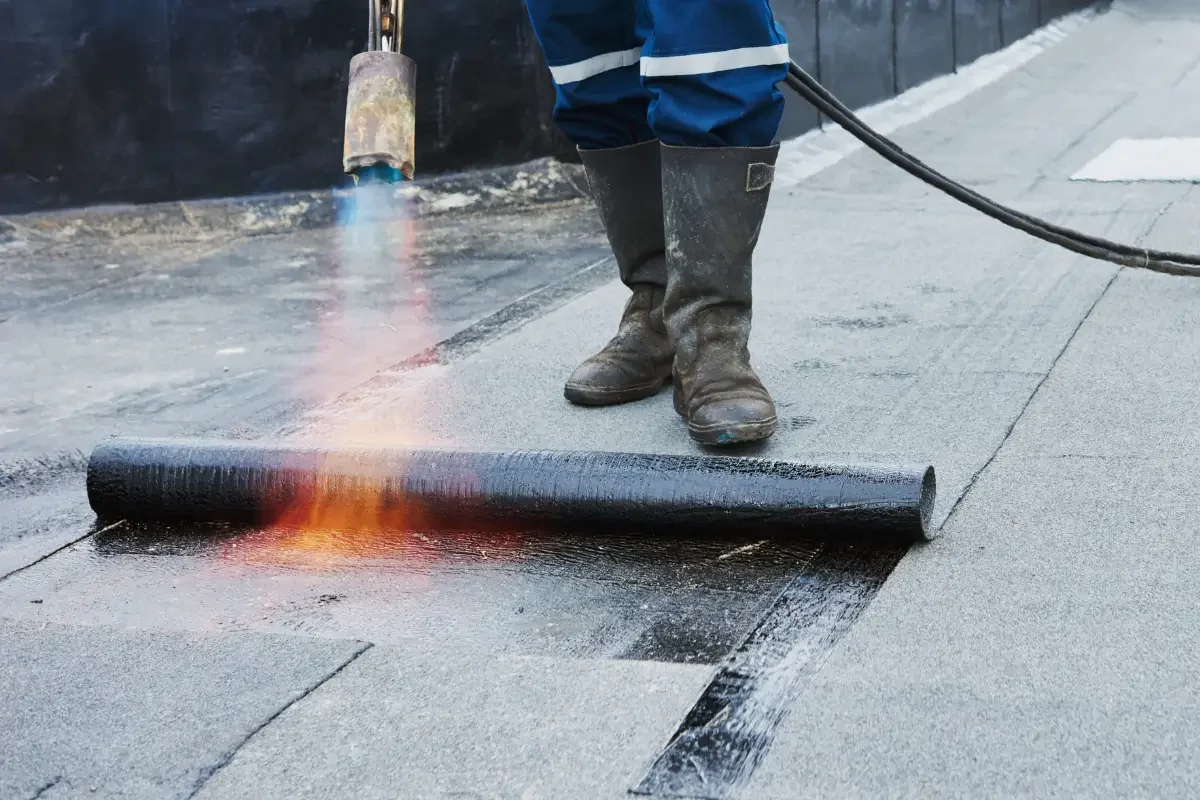
- Membrane Systems: Common for roofs and basements, these involve applying a waterproof sheet or coating over the surface.
- Liquid Waterproofing: A seamless layer of liquid-applied sealant that hardens to protect surfaces—ideal for flat roofs and balconies.
- Cavity Drain Systems: Used in basements, these redirect water to a sump pump or drainage channel.
- Injection Sealing: Suitable for repairing cracks, this involves injecting waterproofing materials directly into walls or foundations.
- Exterior Waterproofing: For new builds or major renovations, external waterproof barriers are applied to prevent water reaching the interior.
DIY vs Professional Waterproofing
While small repairs like sealing a bathroom tile joint or unclogging a gutter are doable for most homeowners, more complex issues—like a leaking basement or a roof membrane failure—should be handled by professionals. Poorly executed waterproofing can lead to bigger and more expensive problems down the line.
Signs You Might Have a Waterproofing Problem
Acting early can save a lot of money and stress. Watch for:
- Damp or musty smells
- Peeling paint or bubbling plaster
- Mould or mildew patches
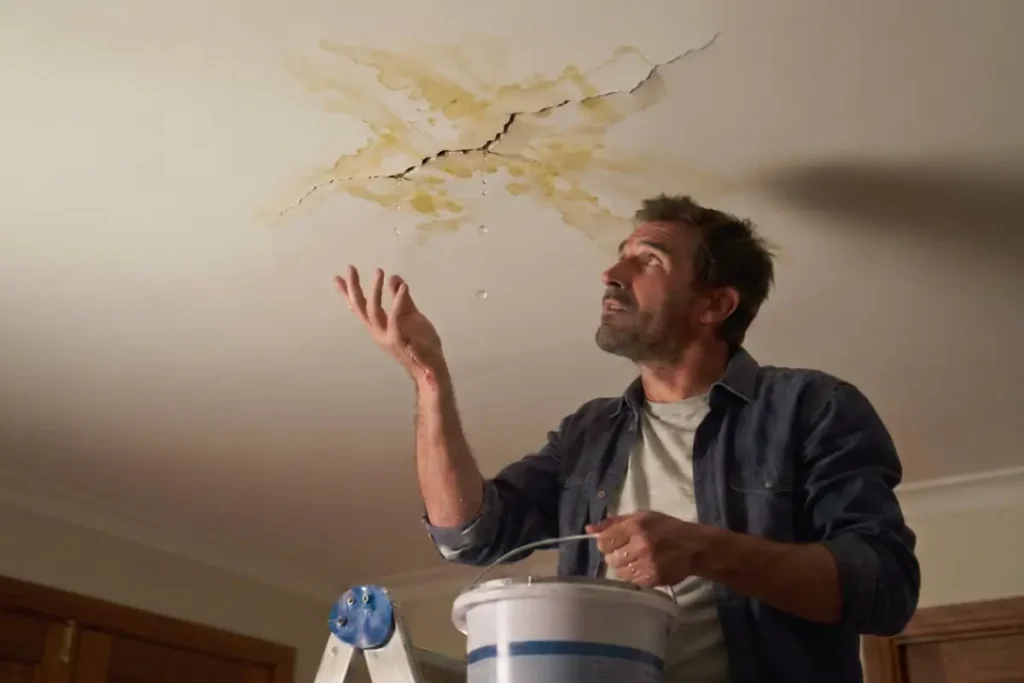
- Water stains on ceilings or walls
- Cracks in walls or floors
- Efflorescence (white, chalky residue)
Final Thoughts
Waterproofing isn’t just for rainy days—it’s a year-round safeguard for your home. By understanding the risks and recognising the signs, you can take proactive steps to protect your property. Whether you’re tackling small DIY fixes or planning a major renovation, ensuring proper waterproofing is a smart investment in your home’s future.