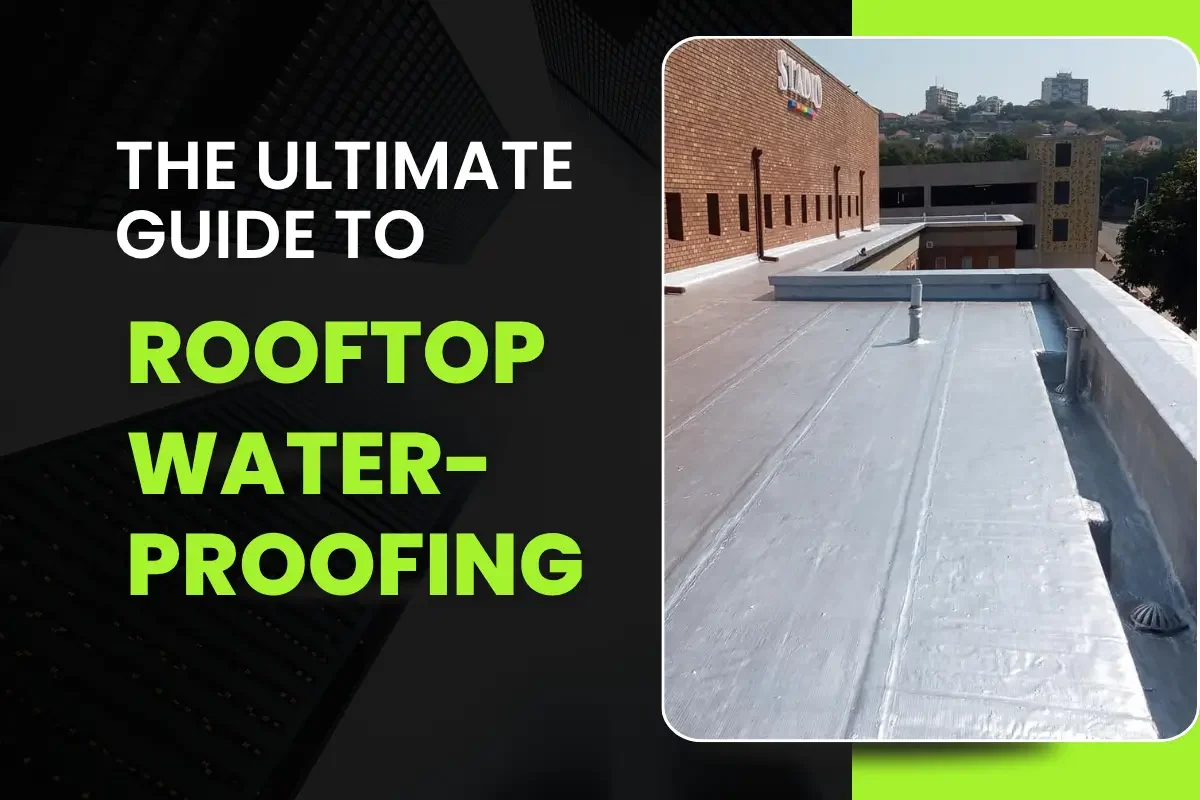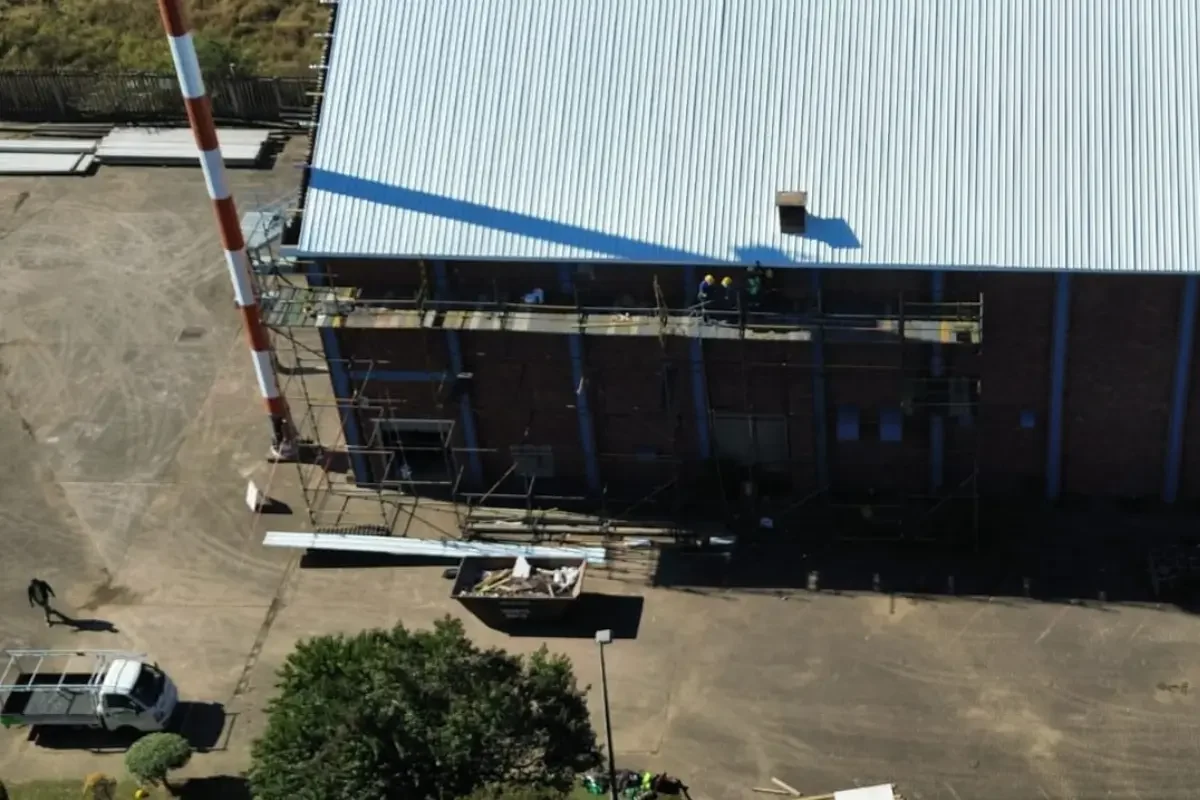
Who it’s for and why it matters
Durban’s salt air, high humidity and summer storms accelerate roof wear. Small defects turn into leaks quickly. This article is aimed at helping homeowners and body corporates in Durban and surrounding coastal regions prevent damage and extend roof life.
The big three threats in Durban
- Salt‑laden air: Corrodes fasteners, flashings and unprotected metal.
- Intense UV: Brittle waterproofing, cracked tiles and failed sealants.
- Heavy rain and wind: Wind‑driven rain, overloaded gutters and backflows.
Quarterly maintenance checklist
- Post‑rain visual check: Ceilings, cornices, skylights, parapet lines.
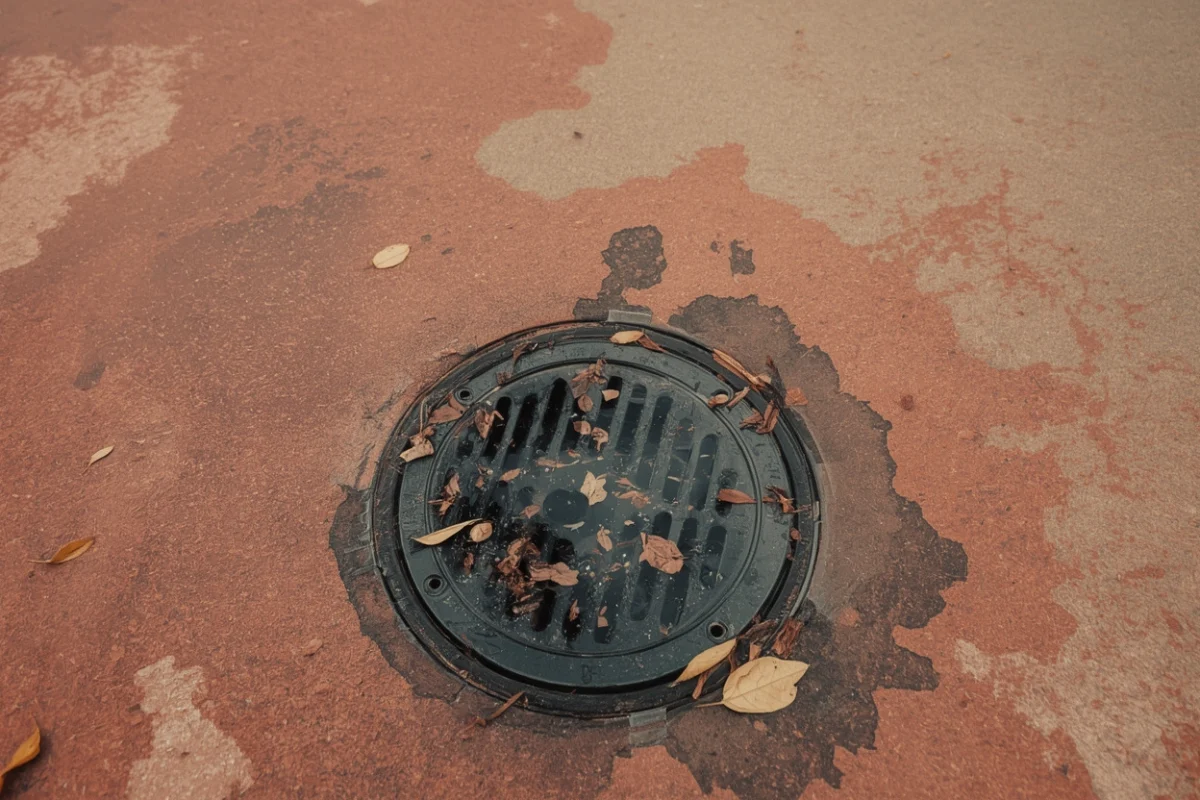
- Clear debris: Valleys, box gutters, flat‑roof outlets and first‑flush diverters.
- Corrosion points: Fasteners, sheet laps, ridge and hip flashings.
- Sealants: Replace brittle, cracked or lifting joints around vents and chimneys.
- Vegetation: Trim branches that gouge sheets or clog gutters.
Flat roofs and parapets: Durban‑specific tips
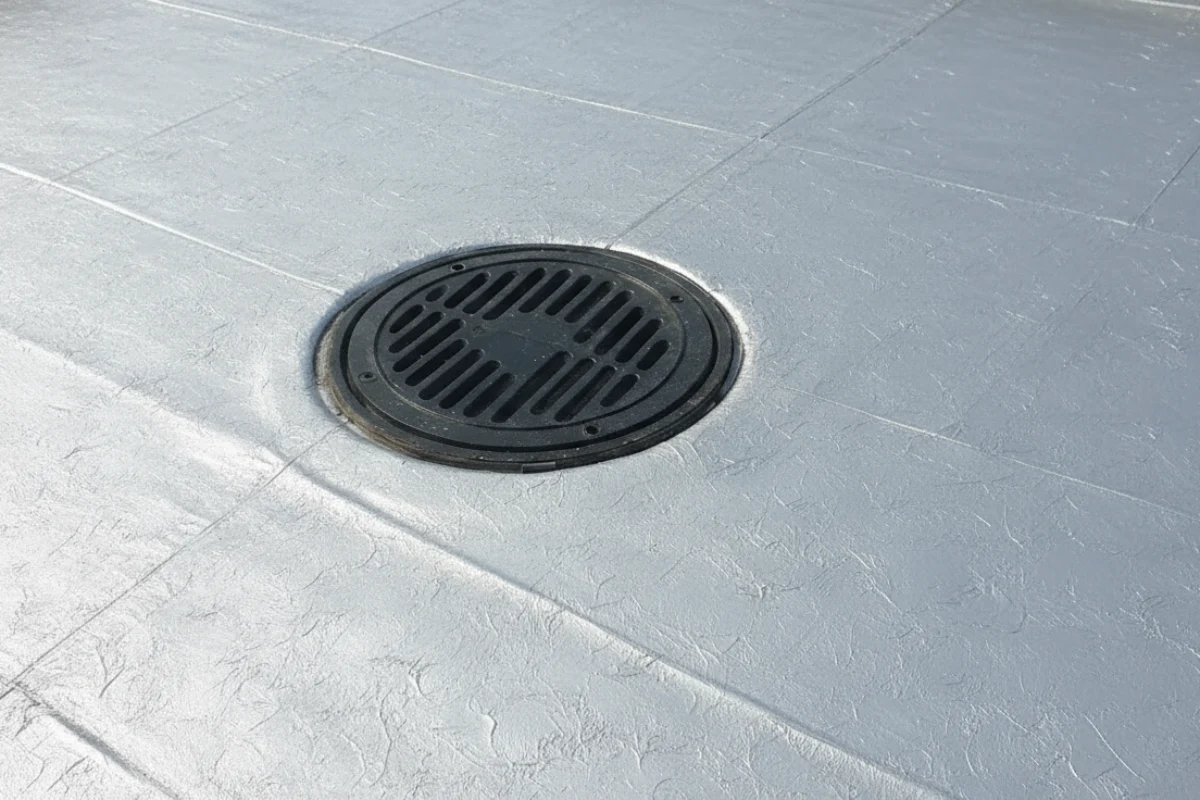
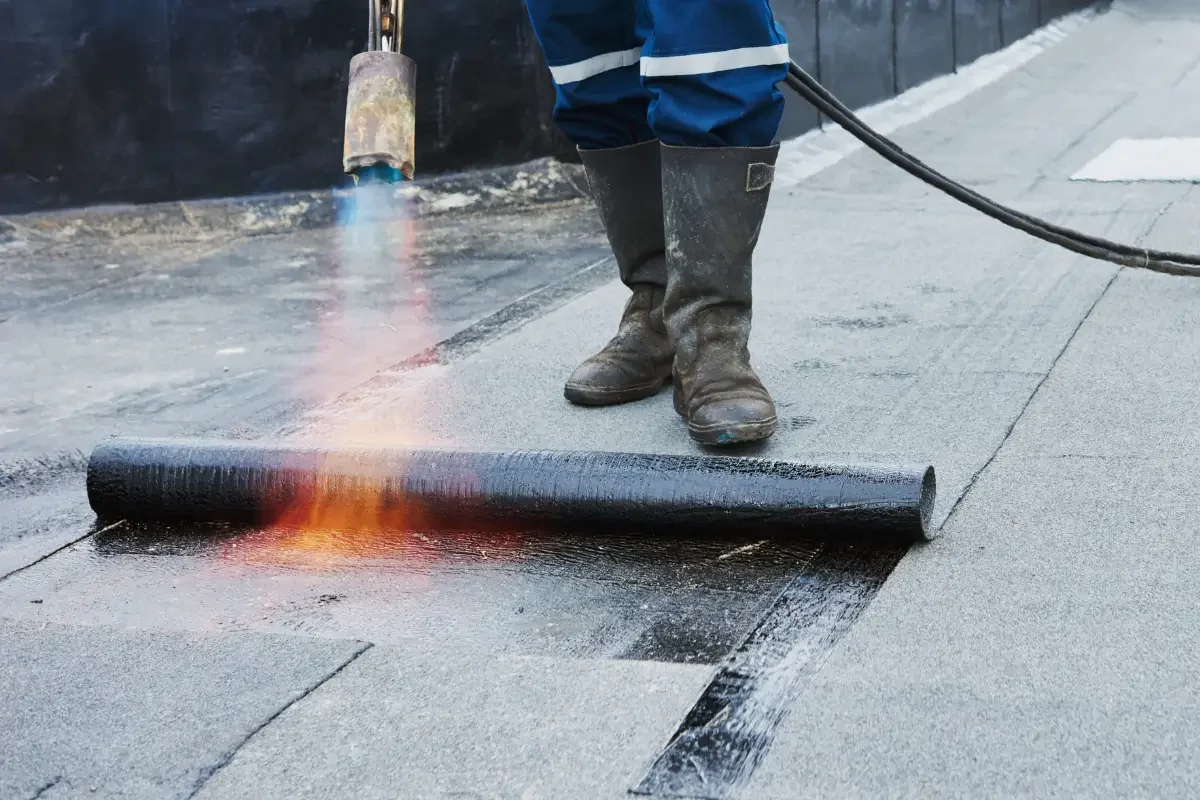
- Torch‑on and liquid systems: Watch for blisters, “fishmouths” and lifted laps.
- Ponding: Water that remains after 48 hours signals poor falls or blocked outlets.
- Parapet caps and drip edges: Common leak paths; ensure continuous capping and proper drips.
Tiles and metal sheeting
- Concrete tiles: Replace cracked or slipped tiles; re‑bed and point ridges where mortar has failed.
- Metal roofs: Check coating integrity and galvanic contact; swap rusted fasteners for stainless or class‑4.
Gutters and downpipes for storm season
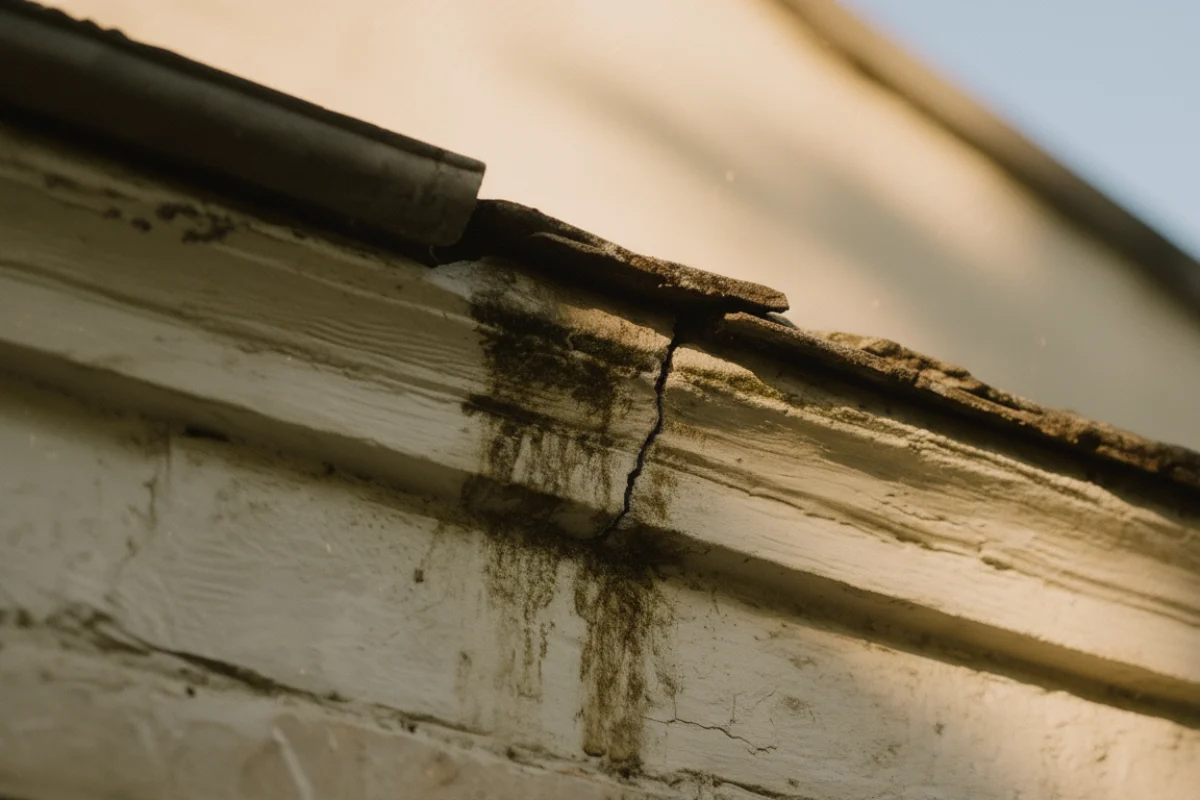
- Capacity and protection: Fit leaf guards where trees overhang; size for tropical downpours.
- Falls and fixings: Correct falls, sealed joints and secure brackets to prevent overflows.
Early warning signs you shouldn’t ignore
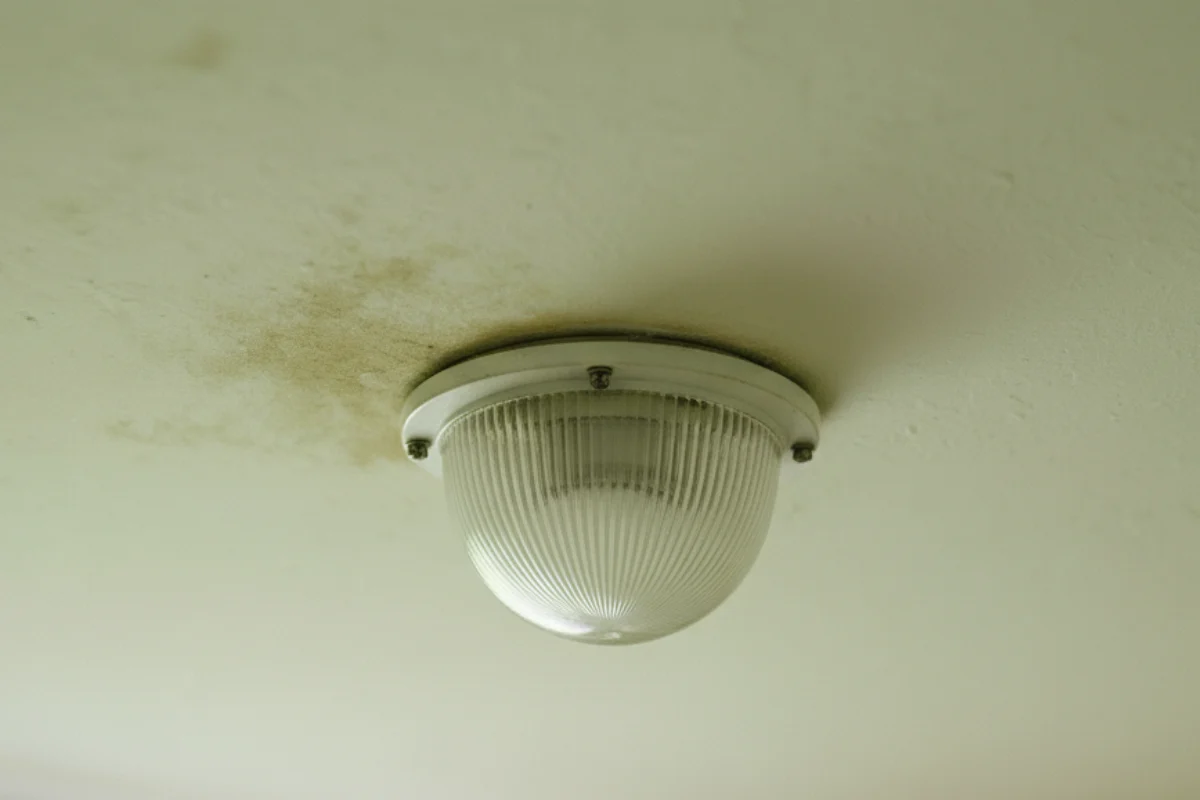
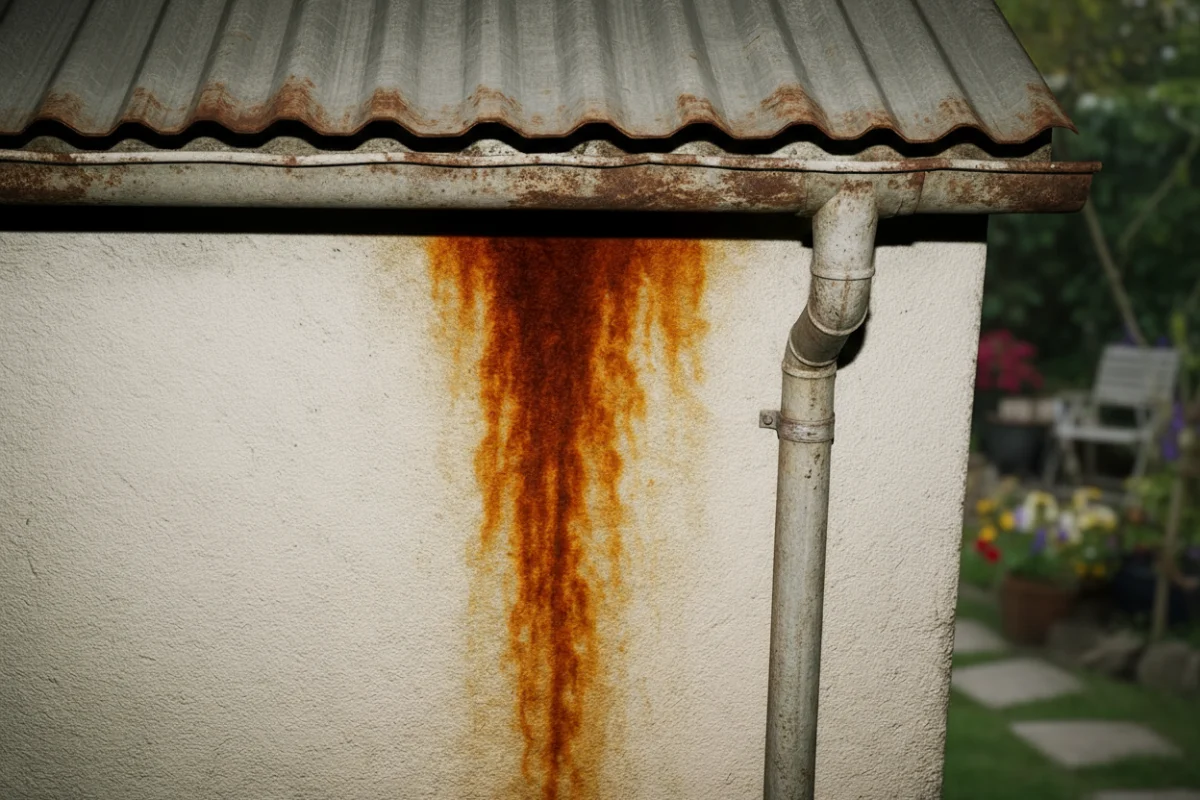
Musty smells, ceiling bubbles, peeling paint, rust streaks, and mould at wall‑roof junctions indicate active moisture. Act before internal finishes are damaged.
DIY vs professional: when to call Elite
- Safe DIY: Ground‑level debris clearing, basic visual checks, replacing downpipe strainers.
- Call a pro: Any work at height, hot‑applied systems, structural issues, or widespread leaks across multiple areas.
Seasonal calendar
- September–October: Pre‑storm inspection and gutter service.
- January–March: Post‑storm checks and touch‑ups.
- May–June: UV and sealant review before dry, windy spells.
FAQs
1. How long should torch‑on last near the coast?
Well‑installed, maintained torch‑on can last 8–12 years in coastal Durban. Exposure, foot traffic and ponding shorten lifespans. Annual inspections preserve warranties.
2. Can I paint over waterproofing?
You can coat some systems with compatible acrylics to protect from UV, but paint will not fix failed laps or blisters. Repair the membrane first, then overcoat per manufacturer specs.
3. Do stainless fasteners solve all corrosion issues?
They resist rust and are recommended near the coast, but they don’t fix galvanic pairs or damaged coatings. Use isolators, match metals, and maintain protective coatings.
4. How often should gutters be cleaned in Durban?
At least quarterly, and monthly in leafy areas or ahead of storm season. After major storms, recheck outlets and downpipes for blockages.
Connect with Elite experts
Book a Durban coastal roof health check and storm‑season preparation with Elite Roofing and Waterproofing today.

Darren:+27 73 306 4448
Justin: +27 84 942 6279
or email us: click here