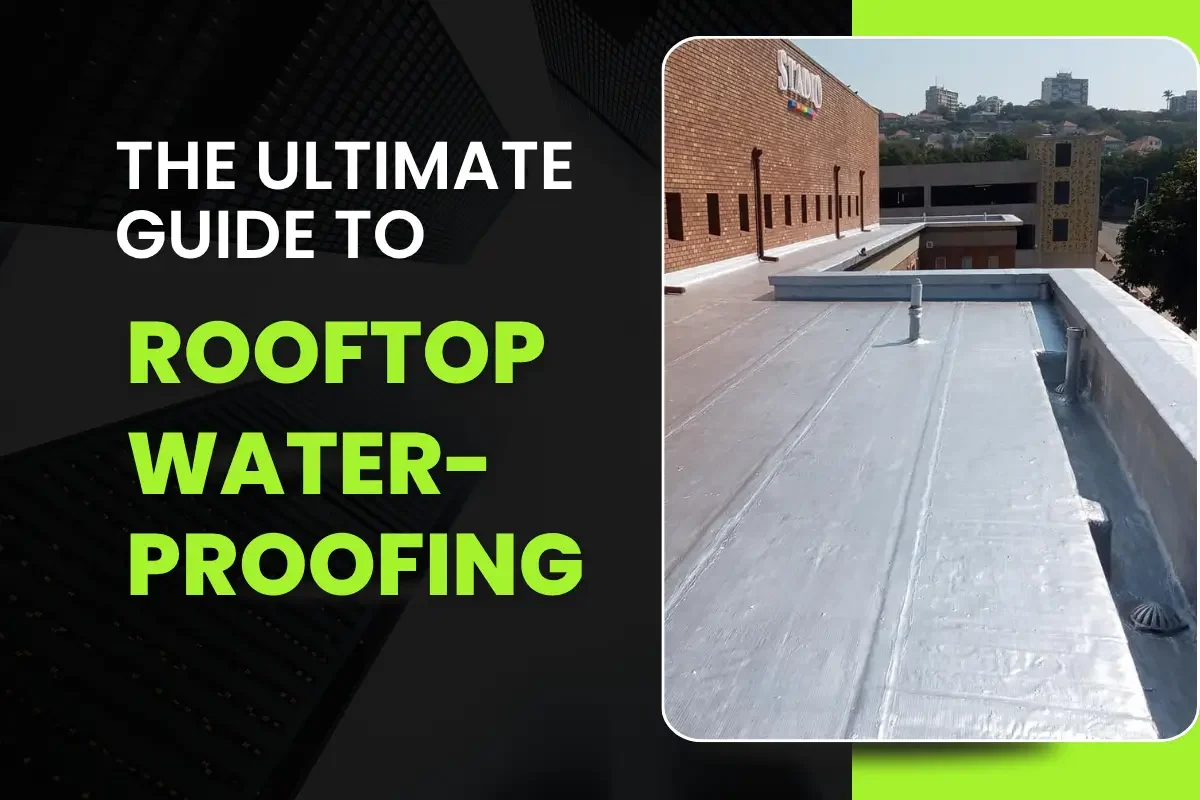
Regular Inspection Protocols
Regular inspection protocols play a crucial role in maintaining the integrity and longevity of flat roofs. Commercial property owners should establish a routine inspection schedule to identify potential issues before they escalate. Inspections should be conducted at least twice a year, ideally in the spring and autumn, as these seasons often reveal the effects of winter weather and prepare the roof for the summer heat. By adhering to a consistent schedule, property owners can ensure that minor problems are addressed promptly, thus prolonging the lifespan of the waterproofing system.
During inspections, it is vital to check for visible signs of damage, such as blistering, cracking, or ponding water. Observing the roof's surface closely can help identify areas where water may accumulate, which can lead to leaks and structural damage. Additionally, inspecting flashings, seams, and joints for integrity is essential, as these areas are often the most vulnerable points in a roofing system. Documenting any findings during these inspections provides valuable information for ongoing maintenance and repair decisions.
Incorporating a checklist into the inspection process can enhance efficiency and thoroughness. This checklist should include items such as checking for debris accumulation, verifying the condition of drainage systems, and assessing the performance of any installed waterproofing membranes. By systematically reviewing each component of the roof, property owners can ensure that no critical aspect is overlooked, fostering a proactive approach to roof maintenance.
Furthermore, engaging professional roof inspectors can add significant value, particularly for larger commercial properties. These experts possess the experience and knowledge to identify subtle signs of wear that may not be apparent to an untrained eye. Their insights can guide property owners in selecting the most effective waterproofing methods and repairs, ultimately saving costs in the long run. Regular inspections by professionals are an investment that can yield substantial returns in terms of roof performance.
Finally, property owners should not overlook the importance of follow-up actions post-inspection. Addressing any identified issues promptly is crucial to prevent them from developing into more severe problems. Establishing a clear maintenance plan based on inspection findings will facilitate timely repairs and reinforce the overall waterproofing strategy. By committing to rigorous regular inspection protocols, commercial property owners can safeguard their investments and ensure the durability of their flat roofs.
Cleaning and Debris Removal
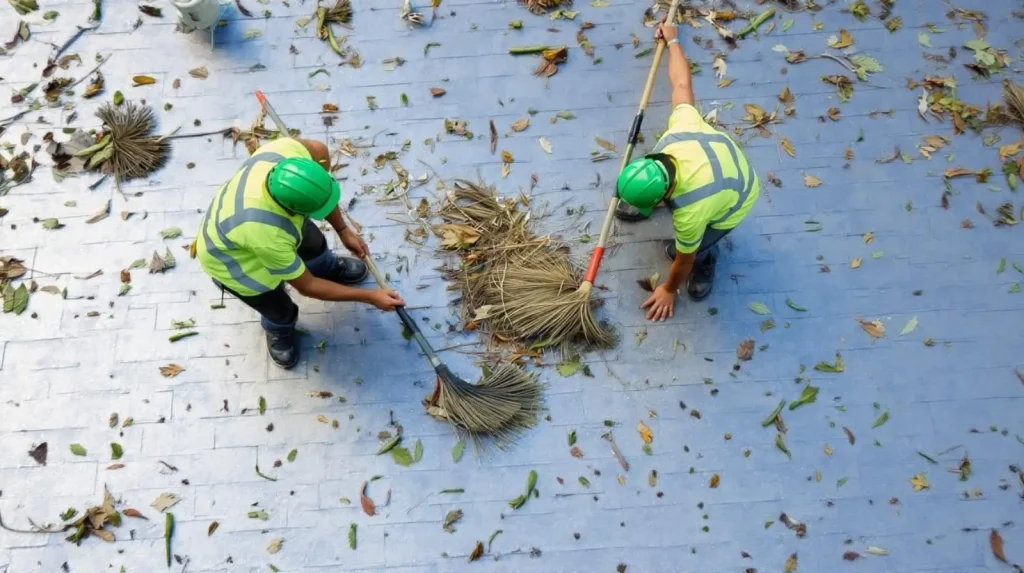
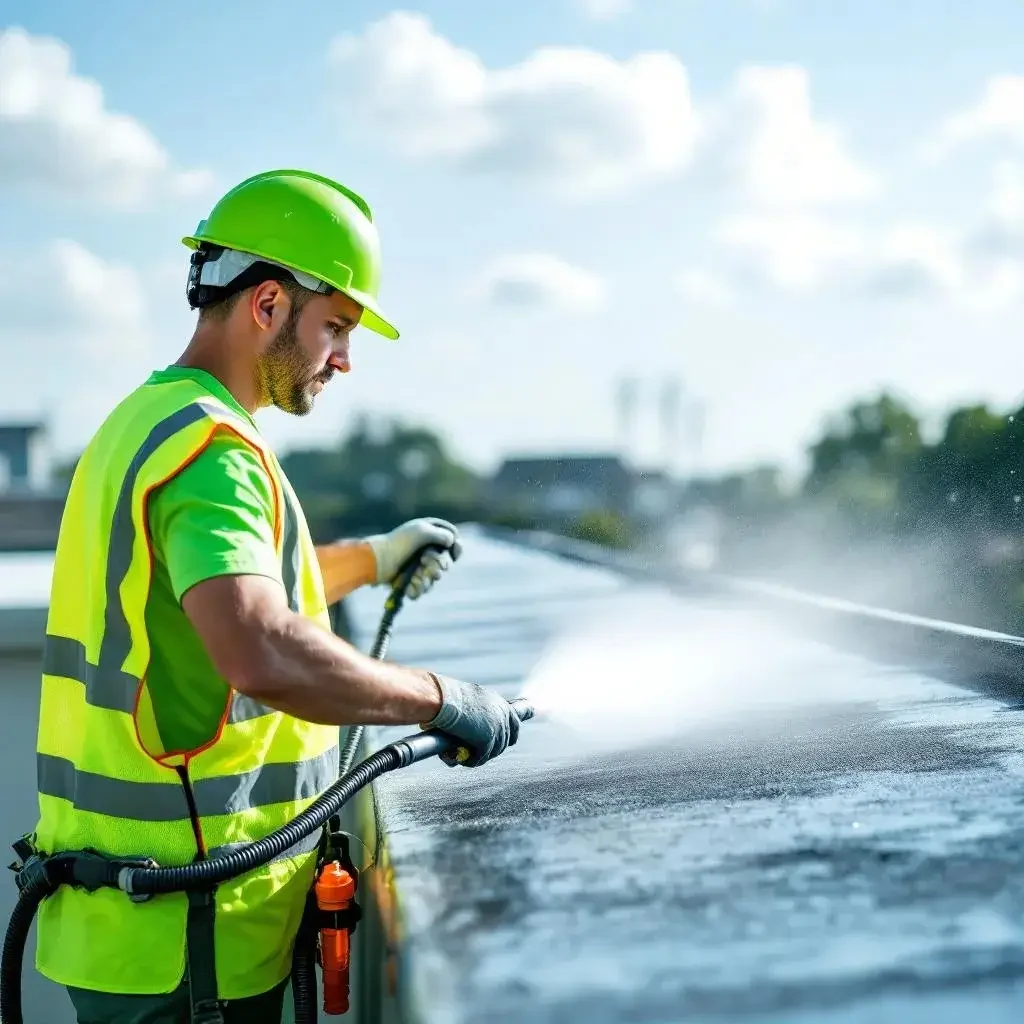
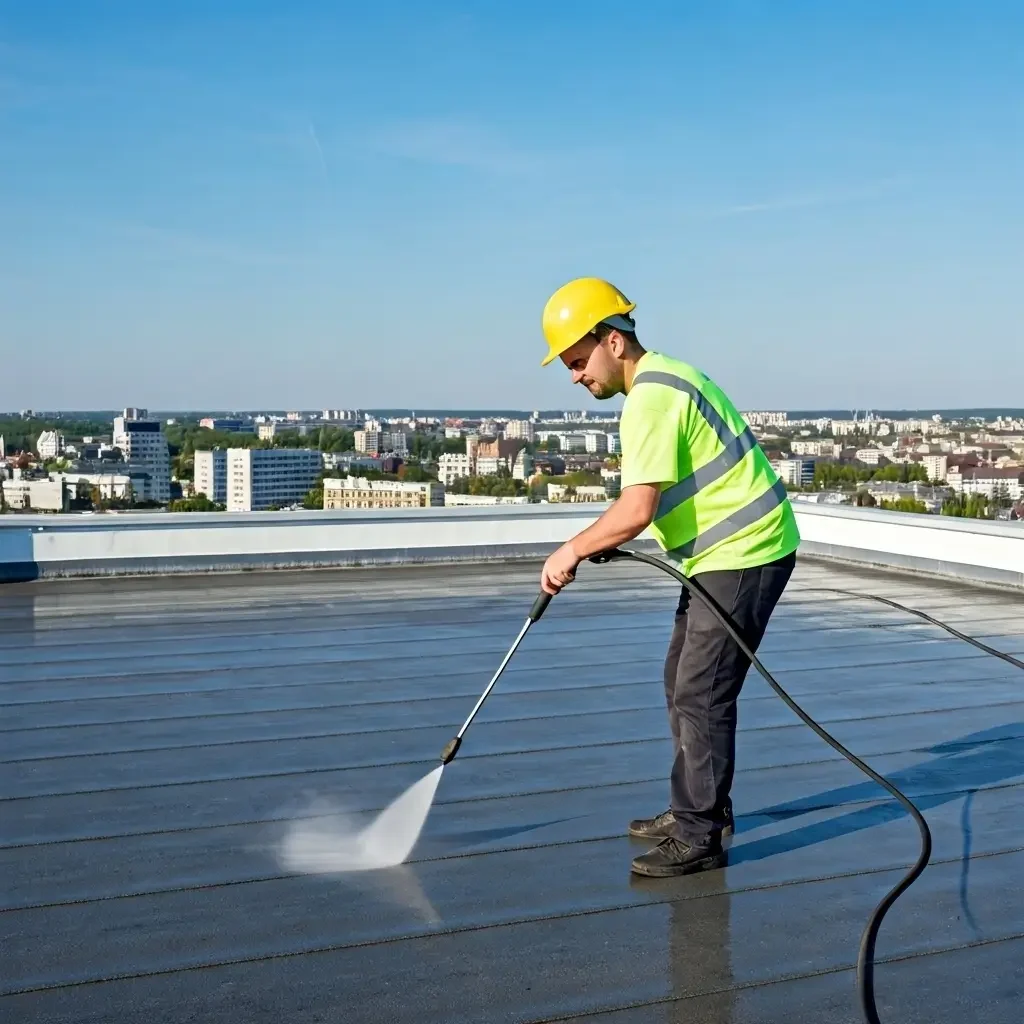
Maintaining a flat roof's integrity begins with regular cleaning and debris removal. Accumulated leaves, dirt, and other materials can obstruct drainage systems, leading to water pooling and potential leaks. For commercial property owners, investing time in routine inspections can prevent costly repairs down the line. It is essential to establish a cleaning schedule that aligns with seasonal changes, as debris can vary significantly throughout the year.
In addition to preventing water damage, a clean roof surface enhances the effectiveness of waterproofing materials. When debris is left unchecked, it can cause wear and tear on waterproofing membranes, compromising their protective qualities. Regular cleaning helps maintain the roof's surface and ensures that any applied waterproofing solutions perform optimally, ultimately prolonging the lifespan of the roof.
Commercial property owners should also consider the use of professional cleaning services for larger or more complex roofs. These professionals possess the right tools and expertise to safely remove debris without damaging the roofing materials. Additionally, they can identify potential issues during their cleaning process, providing property owners with valuable insights for ongoing maintenance and repair needs.
Cost-effective methods for debris removal include utilising blowers, brooms, and pressure washers. While these tools can be effective, caution must be exercised to avoid causing damage to the roof's surface. Property owners should ensure that any cleaning method employed is compatible with their specific roofing material, as some surfaces may be more delicate and require gentler treatment.
Finally, establishing a routine cleaning protocol not only safeguards the roof but also contributes to overall property aesthetics. A well-maintained flat roof can improve the appearance of the building, increasing its marketability and value. By prioritising cleaning and debris removal, commercial property owners can ensure that their flat roof remains in excellent condition, facilitating effective waterproofing and reducing long-term maintenance costs.
Identifying Early Signs of Damage
Identifying early signs of damage on flat roofs is crucial for commercial property owners to prevent extensive repairs and maintain the integrity of their buildings. One of the first indicators of potential issues is the presence of water pooling on the roof surface. This stagnant water can lead to membrane degradation and encourage the growth of moss or algae, which can further exacerbate the damage if left unaddressed.
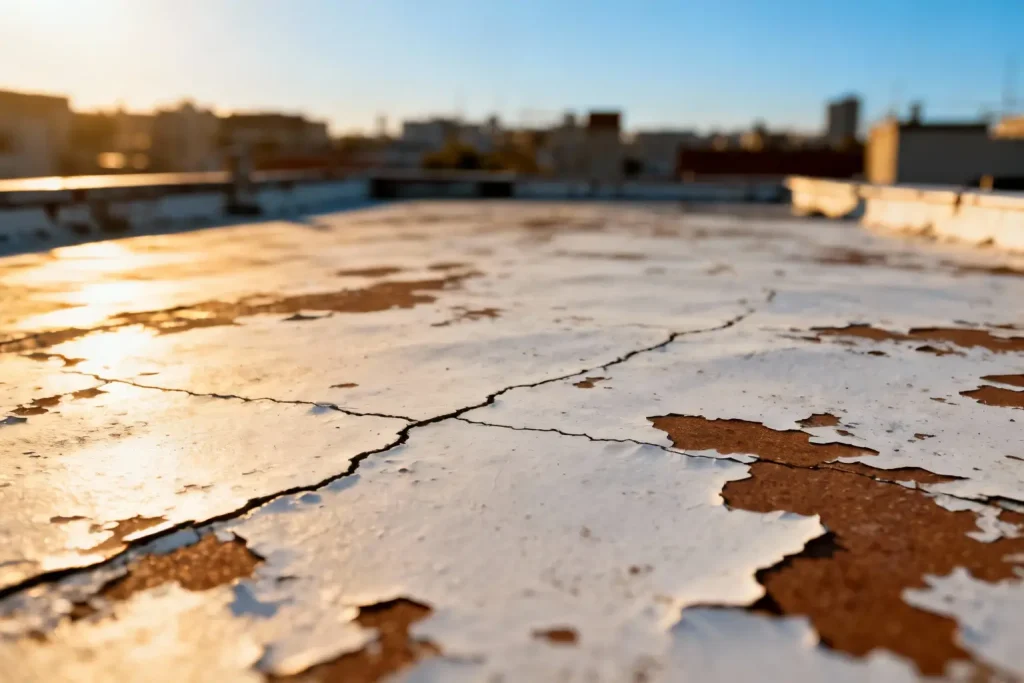
Another sign to watch for is the appearance of cracks or blisters in the roofing membrane. These imperfections can arise due to thermal expansion or poor installation, and they can compromise the waterproofing effectiveness of the roof. Timely detection of these issues allows for immediate remediation, thereby saving costs associated with more extensive repairs later on.
Additionally, property owners should regularly inspect for any visible signs of wear, such as loose seams or punctures in the roofing material. These defects can allow moisture ingress, leading to internal water damage that may not be immediately apparent. A proactive approach includes conducting routine inspections and documenting any findings to track changes over time.
Flashing around vents, skylights, and other roof penetrations is another critical area to monitor. Deterioration or improper installation of flashing can lead to significant leaks, especially during heavy rainfall. Ensuring that these components are intact can greatly enhance the roof's waterproofing capabilities and extend its lifespan.
Finally, engaging professional roofing services for periodic assessments can provide an expert eye to identify subtle signs of damage that property owners might overlook. These inspections are invaluable in formulating a maintenance plan tailored to the specific needs of the flat roof, ensuring that it remains in optimal condition and that cost-effective waterproofing methods are employed effectively.
Seasonal Maintenance Tips
Seasonal maintenance is crucial for the longevity and effectiveness of flat roofs. As a commercial property owner, you must conduct regular inspections, particularly before and after harsh weather conditions. Checking for debris, pooling water, and signs of damage can help you identify potential issues early. This proactive approach not only protects your investment but also ensures that your waterproofing methods remain effective throughout the changing seasons.
In the spring, focus on clearing away any debris that may have accumulated over the winter months. Leaves, branches, and dirt can trap moisture, leading to leaks and water damage. After clearing the surface, inspect the seams and flashing for any signs of wear or deterioration. Addressing these areas promptly can prevent larger, more costly repairs down the line and maintain the integrity of your waterproofing system.
Summer maintenance should include a thorough inspection of your roof's drainage system. Ensure that gutters and downspouts are clear and functioning properly to avoid water backup. Additionally, consider applying a reflective coating to the roof surface to reduce heat absorption, which can extend the life of the roofing materials. Maintaining a cool roof helps in managing internal temperatures, ultimately saving on energy costs.
As autumn approaches, it is wise to conduct a comprehensive inspection once more. Inspect for any damage caused by summer storms and prepare the roof for the impending winter. Check for any cracks or gaps in the waterproofing membrane and apply sealant where necessary. Preparing your roof for winter ensures that it can withstand the weight of snow and ice, reducing the risk of leaks and structural issues.
Finally, winter maintenance involves monitoring the roof for ice dams and ensuring that snow is removed regularly. Accumulated snow can add significant weight to a flat roof, increasing the risk of structural failure. Use a roof rake to safely remove snow, but avoid using sharp tools that could damage the waterproofing layer. By following these seasonal maintenance tips, you can ensure the durability and effectiveness of your flat roof, safeguarding your commercial property for years to come.

Reach out to us for a free roof inspection if you are situated in Durban and surrounding areas. Click Here