Common Types of Damage
Flat roofs, while a popular choice for many commercial properties, are susceptible to various types of damage that can compromise their integrity and waterproofing capabilities. One common issue is ponding water, which occurs when water accumulates on the roof surface due to poor drainage. This stagnant water can lead to material degradation, promoting leaks and structural damage over time. Property owners must regularly inspect their roofs to identify and rectify drainage issues before they escalate into more serious problems.
Another prevalent type of damage is caused by the effects of extreme weather conditions. Intense heat can cause roofing materials to expand and crack, while freezing temperatures may lead to the contraction of these materials. Wind can further exacerbate these issues by lifting and displacing sections of the roofing system. Therefore, understanding the specific climatic challenges of your property’s location is crucial for maintaining the durability of flat roofs.
Additionally, physical damage resulting from foot traffic or improperly conducted maintenance can significantly impact the roof's waterproofing effectiveness. Maintenance personnel must be trained to navigate flat roofs carefully, utilising proper techniques and protective measures to avoid punctures or tears in the membrane. Regular audits of the roof's condition can help property owners address surface wear and tear before it leads to major repair costs.
Biological growth, such as moss or algae, can also pose a threat to flat roofs. These organisms can retain moisture against the roofing material, leading to accelerated deterioration. It is essential for property owners to implement preventative measures, such as regular cleaning and the application of anti-fungal treatments, to mitigate this risk and prolong the lifespan of their waterproofing systems.
Lastly, the ageing of roofing materials is an inevitable factor that can contribute to various types of damage. Over time, even the best waterproofing methods will falter as materials wear out. This highlights the importance of having a strategic maintenance plan in place, which includes regular inspections and timely repairs. By understanding these common types of damage, commercial property owners can proactively protect their investments and ensure the longevity of their flat roofs.
Temporary vs Permanent Repairs
In the area of flat roof maintenance, understanding the distinction between temporary and permanent repairs is crucial for commercial property owners. Temporary repairs are often quick fixes that address immediate leaks or issues. These may include patching a small area with roofing tape or a sealant, which can provide short-term relief. However, while these methods can be effective in the moment, they should not be relied upon as long-term solutions, as they may fail under extreme weather conditions or over time.
On the other hand, permanent repairs involve a more comprehensive approach to fixing the underlying issues with the roof. This may entail replacing damaged sections of the roofing membrane, applying a new layer of waterproofing, or even considering a complete roof restoration. Permanent solutions are typically more costly upfront but can save money in the long run by reducing the need for frequent repairs and extending the lifespan of the roof.
Commercial property owners should weigh the pros and cons of both repair types carefully. Temporary solutions might be suitable for urgent situations where immediate action is required, especially if budget constraints are a concern. However, if the property is intended to be held long-term, investing in permanent repairs can enhance the property's value and provide peace of mind, knowing that the roof is adequately protected.
In addition, maintenance plays a vital role in prolonging the effectiveness of both temporary and permanent repairs. Regular inspections and maintenance can help identify potential problems before they escalate into significant issues. By proactively addressing minor leaks or damage, property owners can ensure that their temporary fixes last longer and that permanent repairs remain effective for years.
Ultimately, the decision between temporary and permanent repairs should be guided by the specific needs of the property, the severity of the damage, and the budget available. It is advisable for commercial property owners to consult with roofing professionals who can provide expert advice tailored to their unique situation. This proactive approach not only safeguards the roof's integrity but also ensures efficient use of resources in maintaining a waterproof flat roof.

Repairing Membrane Systems
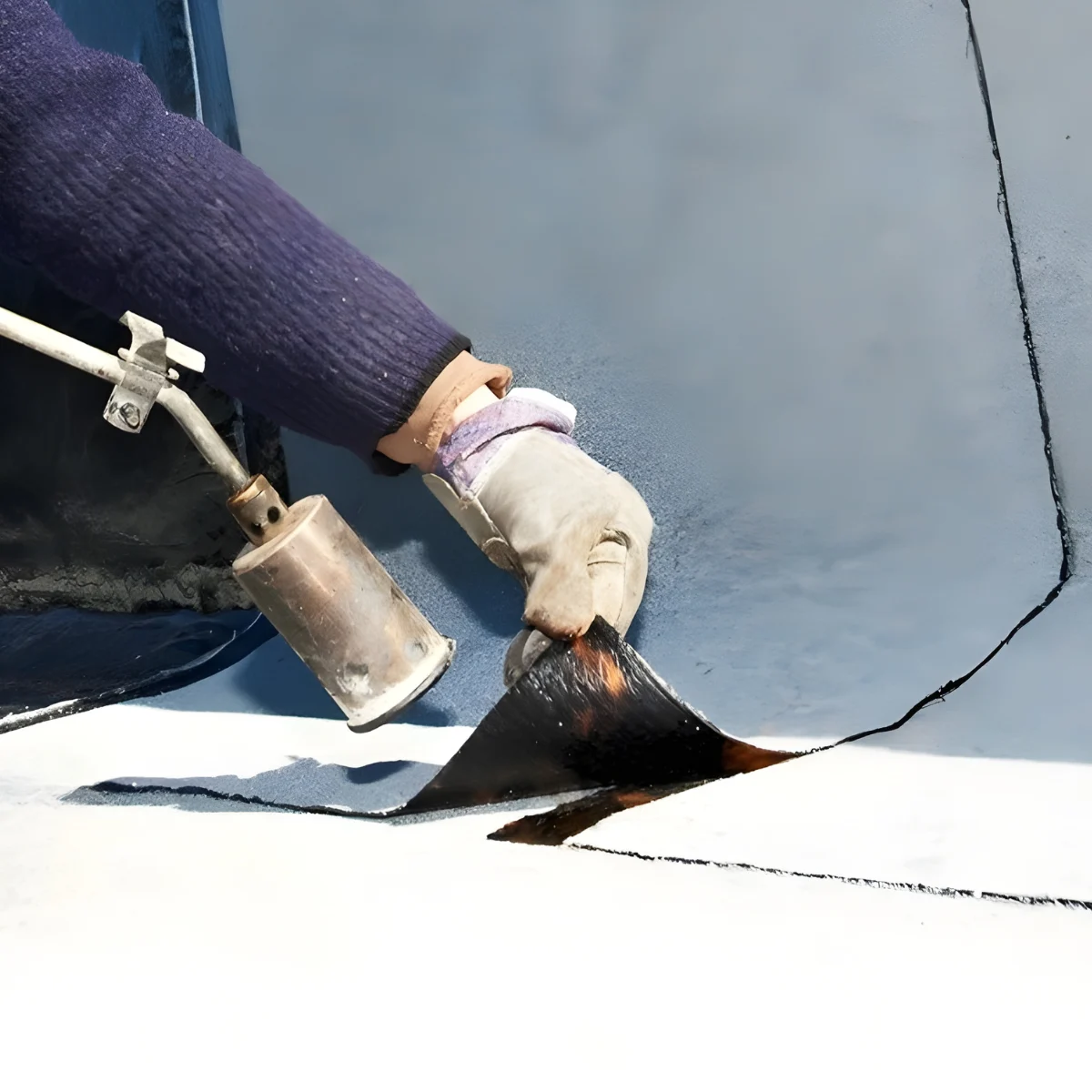
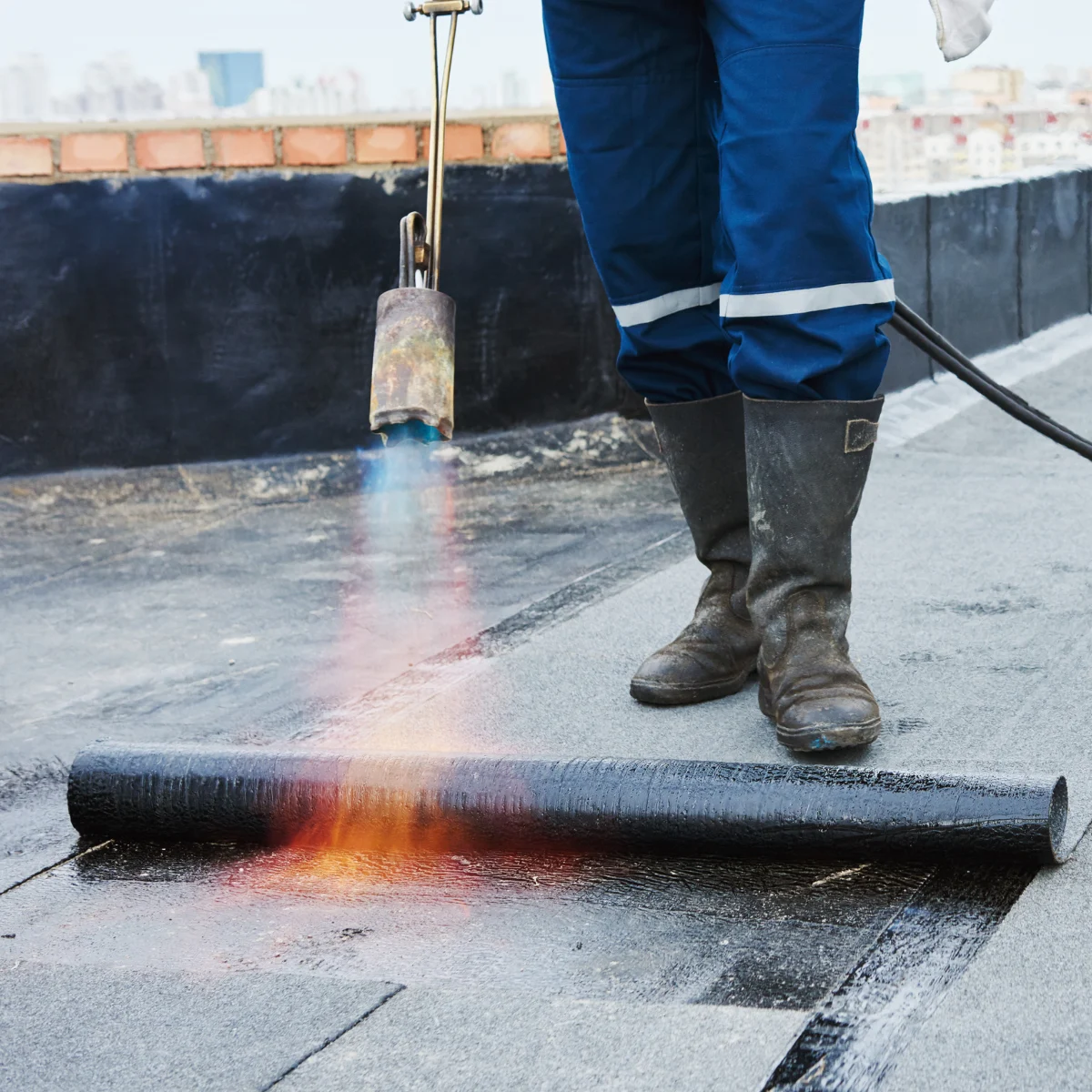
Repairing membrane systems on flat roofs is crucial for maintaining the integrity and waterproofing effectiveness of commercial properties. Over time, wear and tear can lead to leaks and damage, which necessitate prompt repairs to avoid more extensive issues. Regular inspections should be conducted to identify any signs of deterioration, such as cracks, blisters, or punctures in the membrane. Addressing these problems early can save property owners significant costs in the long run.
When repairing membrane systems, it is essential to select the right materials for the job. Various options are available, including liquid-applied membranes, patching compounds, and adhesive systems that can ensure a watertight seal. Property owners should consider the specific conditions of their roofs, such as exposure to UV rays and temperature fluctuations, to determine the most effective repair solutions. Investing in high-quality materials can enhance the longevity of repairs and contribute to the overall waterproofing strategy.
In addition to materials, employing the correct techniques is vital for successful repairs. For instance, ensuring that surfaces are clean and free from debris before applying any repair products is a necessary step that should not be overlooked. Furthermore, following the manufacturer's guidelines for application and curing times can significantly impact the effectiveness of the repairs. Engaging experienced professionals who specialise in membrane systems can also make a considerable difference in the quality of the repair work.
Cost considerations are always a factor for commercial property owners when it comes to repairs. While it may be tempting to opt for the cheapest solutions, this can often lead to more extensive damage and higher expenses in the future. A balanced approach that evaluates both initial costs and long-term benefits can guide property owners in making informed decisions about their waterproofing strategies. Regular maintenance and timely repairs can ultimately lead to a more cost-effective outcome by extending the lifespan of the roofing system.
In conclusion, repairing membrane systems is an essential aspect of maintaining waterproof flat roofs for commercial properties. By conducting regular inspections, selecting appropriate materials, employing correct techniques, and considering cost-effective solutions, property owners can protect their investments. An effective repair strategy not only prevents leaks but also contributes to the overall durability and functionality of flat roofs, ensuring that they remain a reliable barrier against the elements for years to come.
Professional Repair Services vs DIY
When it comes to maintaining flat roofs on commercial properties, property owners often face a critical decision: to hire professional repair services or to take on the task themselves through DIY methods. Each approach has its own set of advantages and disadvantages, and understanding these can significantly impact the long-term effectiveness of waterproofing strategies. Professional repair services offer expertise and experience that can save time and ensure quality results, especially for complex roofing systems that require a high level of skill and knowledge.
On the other hand, DIY methods may seem appealing due to their cost-effectiveness and the personal satisfaction that comes with completing a project. However, without proper training and the right tools, property owners may inadvertently cause further damage, leading to more significant expenses in the long run. The initial savings of a DIY approach might quickly diminish when unforeseen issues arise, illustrating the importance of weighing the risks and benefits before making a decision.
In terms of waterproofing methods, professionals are often familiar with the latest technologies and materials that can enhance the longevity of flat roofs. They can recommend the best waterproofing solutions tailored to specific building requirements, taking into consideration factors such as local climate and roof design. This level of customised service is difficult to achieve with DIY methods, where property owners might rely on generic products that may not be suitable for their particular situation.
Maintenance is another crucial aspect where professional services shine. Regular inspections and maintenance checks conducted by trained professionals can identify potential problems before they escalate, ultimately saving property owners from expensive repairs and prolonging the life of their roofs. DIY maintenance, while beneficial in certain situations, may lack the thoroughness and expertise needed to ensure that all potential issues are addressed.
Ultimately, the choice between professional repair services and DIY methods depends on the individual property owner's circumstances, including budget, knowledge, and the specific condition of their flat roof. While DIY can be a viable option for minor repairs, significant issues should be handled by professionals to ensure the integrity and longevity of the waterproofing system. Making an informed decision will lead to better outcomes and a more durable flat roof for commercial properties.

For professional roof repairs and upgrades contact us.
– Darren: +27 73 306 4448
– Justin: +27 84 942 6279
or email us, click here