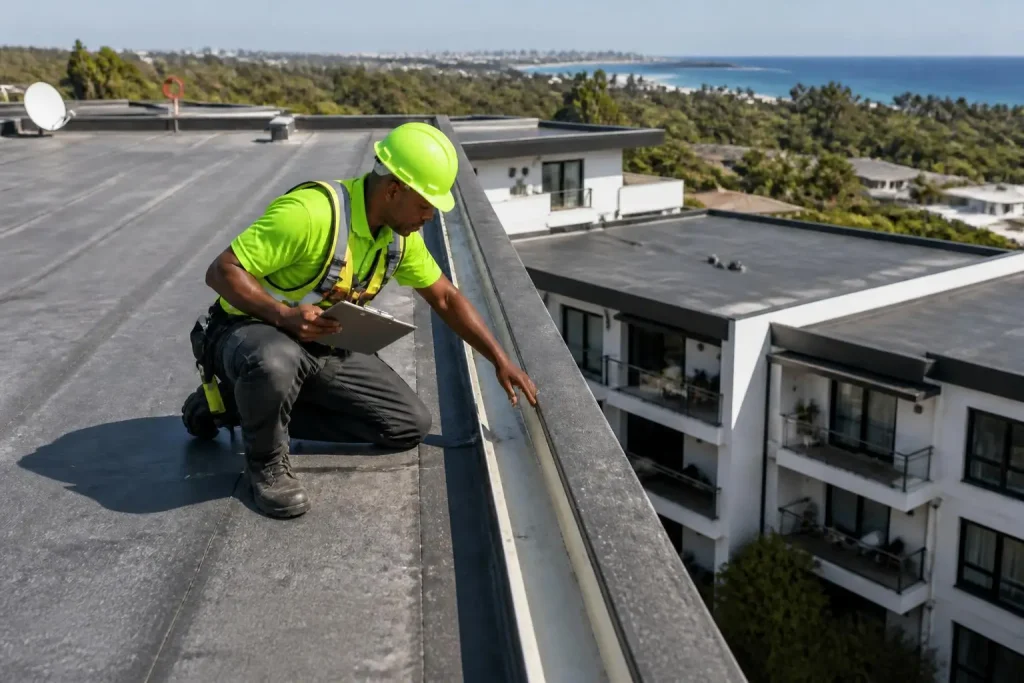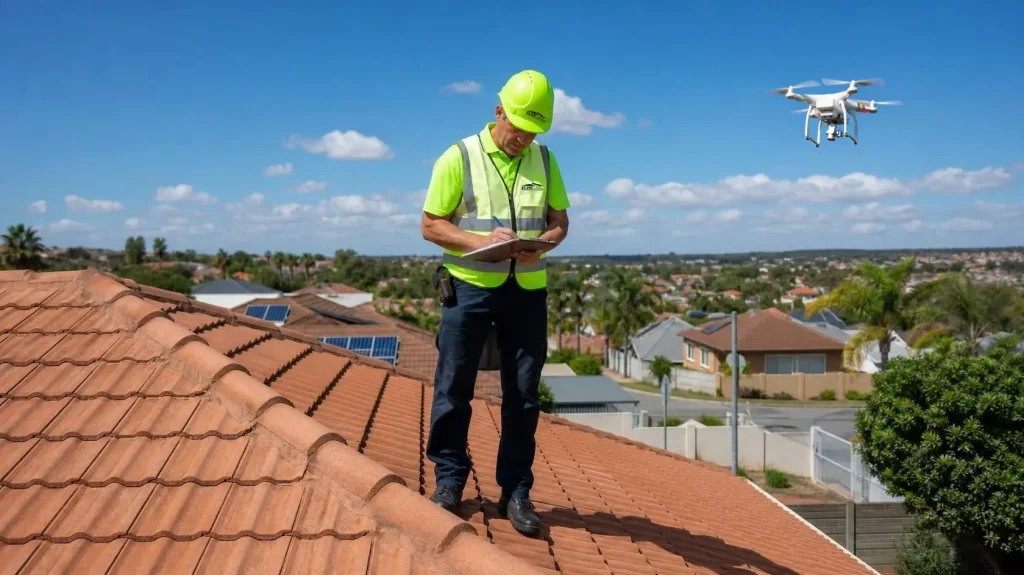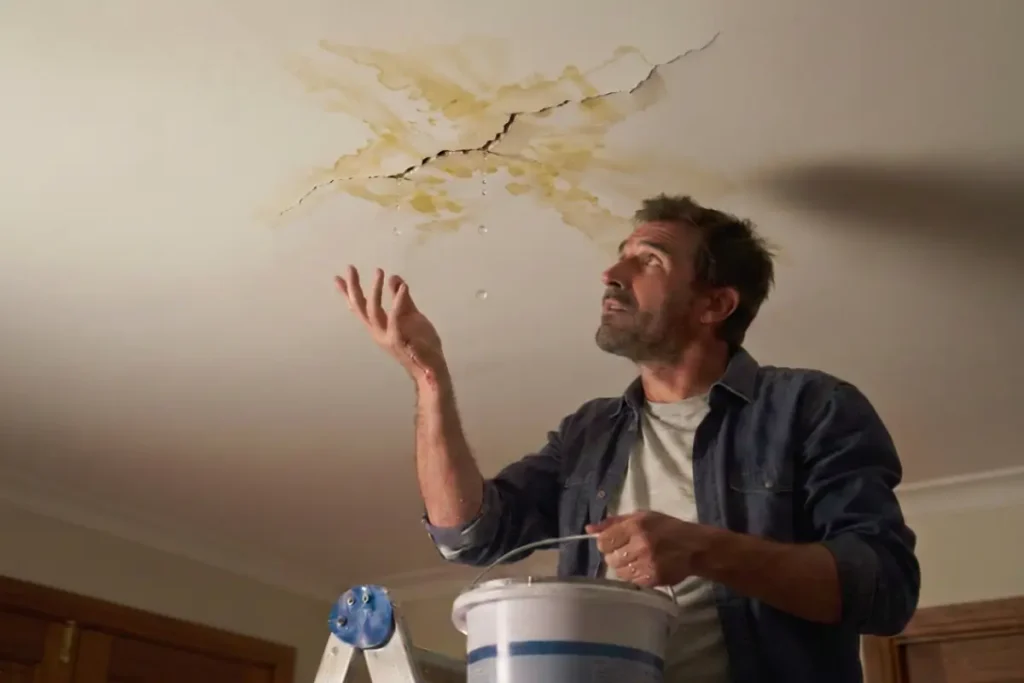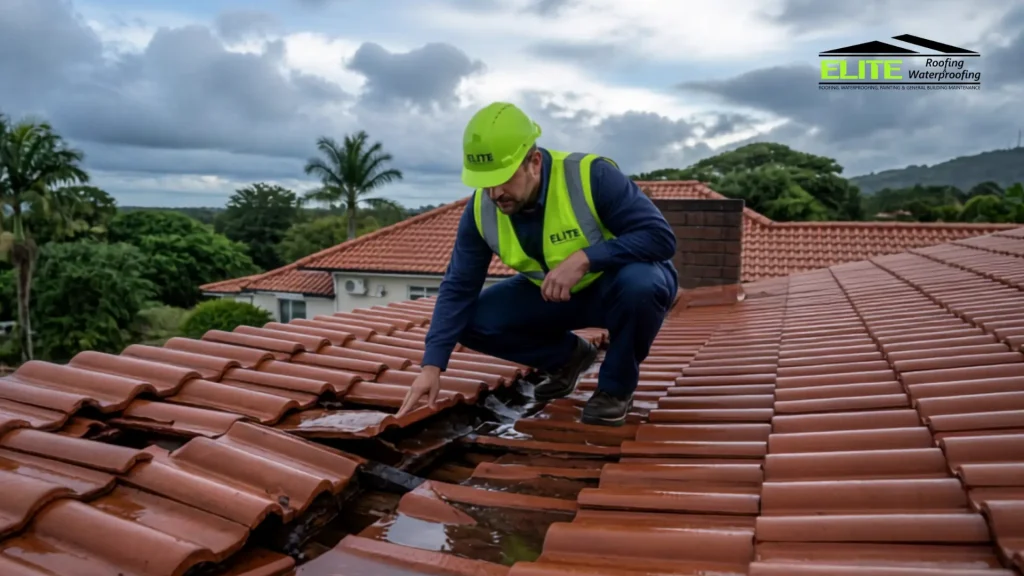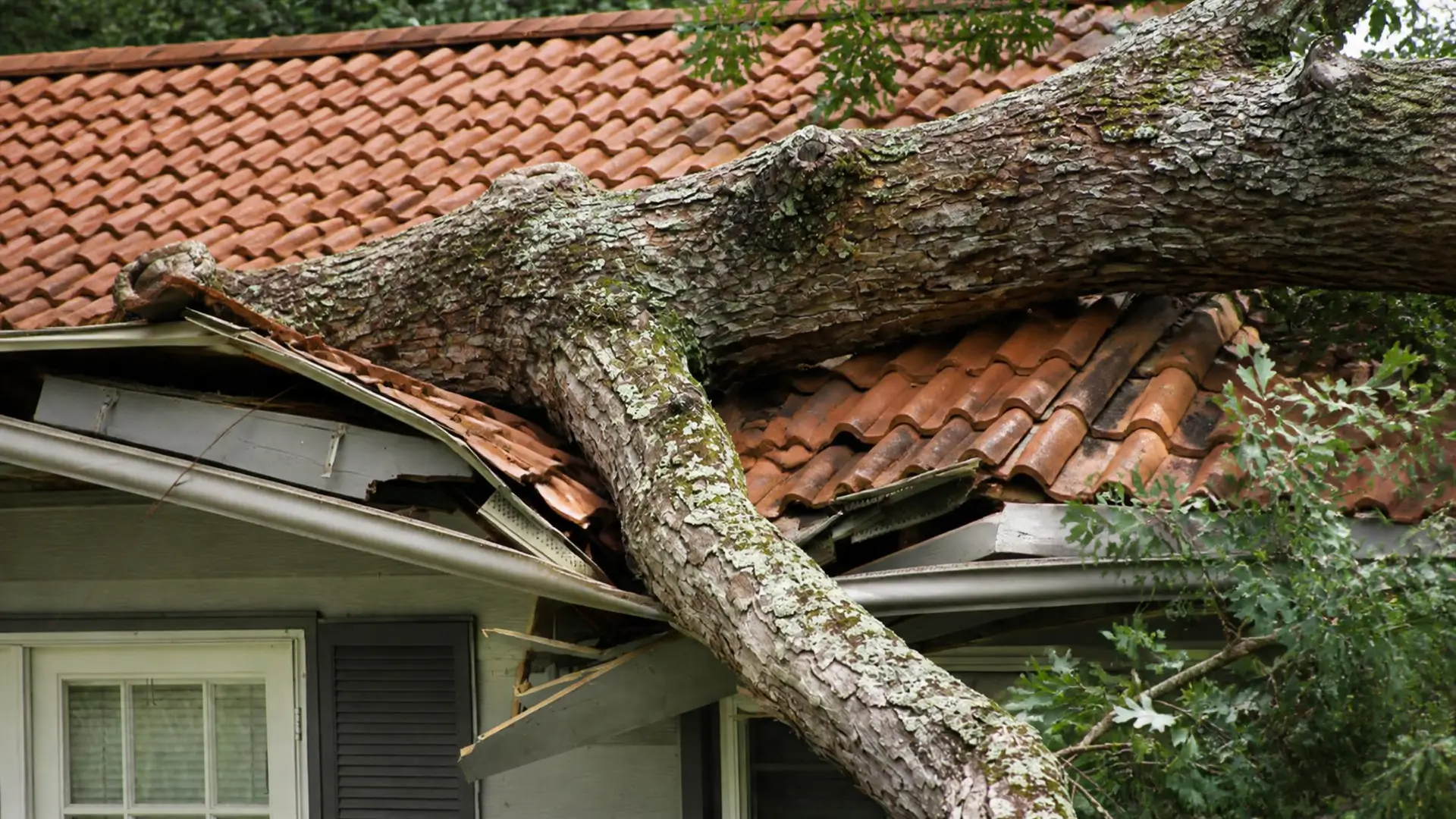
Severe South African weather can cause significant damage to roofs, waterproofing systems and the interior of a property. High winds, hail, heavy rain and storms can result in broken or displaced roof tiles, damaged sheeting, leaking flashings, failed waterproofing, blocked or damaged gutters, ceiling damage and water ingress.
For homeowners, the damage itself is often only the beginning of the problem. Understanding whether the damage is covered, documenting the loss correctly, submitting the claim and dealing with an assessor or insurer can become a complicated process.
This guide explains the general steps South African homeowners can take when submitting an insurance claim for storm-related roof or waterproofing damage.
1. Make the Property Safe and Prevent Further Damage
Your first priority should always be safety.
After a major storm, do not climb onto the roof yourself if there is a risk of slipping, structural instability, electrical hazards or further severe weather. If water is entering the property, take reasonable steps to limit further damage where it is safe to do so.
For example, you may need to move furniture and valuables away from leaking areas, place containers beneath active leaks or arrange temporary emergency measures to prevent additional water entering the building.
The distinction between emergency measures and permanent repairs is important. Insurers commonly require an opportunity to assess the original damage before permanent repair work is undertaken. Avoid authorising extensive permanent repairs before discussing the claim with your insurer unless immediate action is necessary to protect people or prevent substantial further damage.
2. Establish What Happened and When
Write down as much information as possible while the event is still fresh.
Record:
- The date and approximate time of the storm.
- Whether there was heavy rain, hail, strong wind or other severe weather.
- Which parts of the roof or waterproofing appear to have been affected.
- When you first noticed water entering the property.
- Which rooms or areas were affected.
- Whether ceilings, walls, flooring, cupboards or belongings were subsequently damaged.
- Any temporary measures taken to protect the property.
This information can help your insurer understand the sequence of events and distinguish sudden storm damage from pre-existing maintenance issues.
3. Photograph and Video the Damage Before Cleaning Up
Good photographic evidence can be extremely valuable during an insurance claim.
Take photographs and videos of the affected areas before removing damaged materials or carrying out significant repairs, where it is safe to do so.
Try to capture both wide photographs showing the location of the damage and close-up photographs showing the actual problem.
For roof or waterproofing damage, useful evidence may include:
- Broken or displaced roof tiles.
- Damaged roof sheets.
- Lifted or damaged ridge caps.
- Damaged flashings.
- Storm-damaged waterproofing.
- Cracked or displaced areas.
- Damaged gutters and downpipes.
- Water entering through ceilings or walls.
- Water stains and internal damage.
- Damaged insulation.
- Damage to permanently installed fixtures.
- Damage to household contents, where applicable.
Do not discard damaged components unnecessarily. Your insurer, assessor or appointed service provider may need to inspect them.
4. Check Your Insurance Policy and Building Cover
Before assuming that every form of roof leak is covered, check your policy wording and schedule.
Storm damage to the structure of a property is generally a buildings insurance matter where the policy provides the relevant cover. Household contents are treated separately and may fall under contents insurance if covered.
The cause of the damage is particularly important. Insurance policies can distinguish between sudden, unforeseen insured events and deterioration caused by wear and tear, poor maintenance, defective workmanship or longstanding water ingress.
For example, a roof that is suddenly damaged by a severe storm may be treated differently from a roof that has gradually deteriorated over several years and subsequently leaks during ordinary rainfall.
Your individual policy wording ultimately determines what is covered, what is excluded and what excess or other conditions apply.
5. Notify Your Insurer as Soon as Possible
Once you have established that your property has suffered damage, notify your insurer promptly.
Most major insurers provide several ways of submitting a claim, including telephone claims centres, websites, online portals and mobile applications.
When reporting the claim, explain clearly that the property has suffered storm-related roof, waterproofing or resultant water damage.
Have the following information available where possible:
- Policy number.
- ID and contact details.
- Property address.
- Date of the incident.
- Description of the storm.
- Description of the damage.
- Photographs and videos.
- Details of any emergency work undertaken.
- Quotes or reports if your insurer requests them.
Make sure you obtain and retain your claim reference number.
6. Give the Insurer a Clear Description of the Damage
When describing the loss, be factual and avoid making assumptions about the cause or extent of the damage.
For example, instead of simply saying, “The roof needs replacing,” explain what you observed:
“The property experienced severe wind and rain on 15 September. Several roof tiles appear to have been displaced and water subsequently entered the upstairs bedroom. There is visible ceiling staining and water damage.”
A professional roofing inspection can then establish the physical cause, extent and recommended repair.
This distinction is important because the insurer or assessor may need to determine whether the damage is consistent with the insured storm event and whether the proposed work is necessary.
7. Arrange an Assessment or Inspection
Depending on the insurer and the nature of the claim, an assessor or claims representative may be appointed to inspect the property.
The assessment may consider:
- The condition of the roof before the storm.
- Evidence of storm impact.
- The extent of the damage.
- The cause of water ingress.
- Whether the damage appears sudden or longstanding.
- The repairs required.
- Whether associated internal damage resulted from the insured event.
- Whether any policy exclusions or limitations apply.
It is useful to have your photographs, videos, previous repair records and other relevant information available for the assessment.
8. Obtain a Professional Roofing or Waterproofing Report
Where appropriate, a professional roofing contractor can inspect the affected areas and provide a detailed report.
A useful report can identify:
- The type and location of the damage.
- The likely cause of the damage.
- The areas requiring repair.
- Materials required.
- Recommended remedial work.
- Waterproofing requirements.
- Related areas that should be inspected.
- Photographic evidence.
- A quotation for the required work.
The insurer may have its own assessor or preferred service-provider process, so homeowners should establish with their insurer whether an independent quotation or contractor report is required and whether repairs need prior written approval.
9. Do Not Commence Permanent Repairs Without Insurer Approval
This is one of the most important steps in the process.
Although emergency action to prevent further damage may be necessary, homeowners should generally avoid proceeding with permanent repairs before the insurer has confirmed what is required and whether the claim has been approved.
For example, replacing an entire roof, stripping waterproofing or undertaking extensive remedial work before the insurer has inspected the damage may make it more difficult to establish the original condition and cause of the loss.
Follow your insurer's specific instructions.
If emergency repairs are unavoidable, document the situation thoroughly, keep photographs and videos, retain invoices and receipts, and notify your insurer as soon as possible.
10. Understand the Excess and Settlement Process
An approved insurance claim does not necessarily mean that the insurer will pay the entire repair quotation.
Your policy may include an excess, which is the amount you are responsible for paying in terms of the policy.
The insurer may also assess the scope and cost of the repair and determine the amount payable according to the policy terms, approved rates and applicable limits.
Before accepting or commencing work, make sure you understand:
- The approved repair scope.
- The approved claim amount.
- Your excess.
- Whether the insurer will appoint a contractor.
- Whether you may use your own contractor.
- Whether additional work requires further approval.
- What documentation must be supplied before payment or repairs proceed.
11. Keep a Complete Claim File
Storm claims can involve multiple conversations, documents and inspections.
Keep everything together in one digital or physical file, including:
- Your policy schedule.
- Claim reference number.
- Photographs and videos.
- Emails and correspondence.
- Assessor reports.
- Roofing reports.
- Quotations.
- Invoices.
- Receipts for emergency work.
- Records of telephone conversations.
- Approval documentation.
- Repair specifications.
- Final invoices.
Keeping an organised record makes it much easier to follow up on outstanding information and understand what has been agreed.
12. Follow Up on the Claim
Once your claim has been submitted, remain in contact with your insurer or claims representative.
Ask what the next step is and whether any additional documentation is required.
Some insurers provide online claim tracking, allowing policyholders to monitor the status of the claim. If an assessor has been appointed, keep the assessor's contact details and reference information available.
If the insurer requests additional information, provide accurate and complete information within the required timeframe.
13. What If the Claim Is Declined or the Repair Scope Is Disputed?
If an insurer declines a claim or you disagree with the scope of an approved repair, ask for the decision and reasoning in writing.
Review the relevant section of your policy wording and ask the insurer or broker to explain the decision.
Where appropriate, you can provide additional evidence, such as photographs, professional reports or other information relevant to the cause and extent of the damage.
South Africa also has formal complaint and dispute-resolution mechanisms for short-term insurance matters. Policyholders should first follow the insurer's internal complaints process and may then have recourse to the relevant external dispute-resolution process where applicable.
14. Common Mistakes That Can Complicate a Storm-Damage Claim
A few common mistakes can make the process more difficult than necessary.
Starting Permanent Repairs Too Early
Extensive repairs before an assessment may remove evidence needed to establish the original damage.
Failing to Photograph the Damage
Once damaged materials are removed, important evidence may be lost.
Treating Every Roof Leak as Storm Damage
A leak does not automatically establish that an insured storm event caused the damage. The condition and history of the roof may also be relevant.
Ignoring Maintenance Issues
Roof maintenance, ageing materials and longstanding waterproofing failures can affect how a claim is assessed.
Discarding Damaged Materials
Where practical, retain damaged materials until your insurer or assessor confirms that they are no longer required.
Accepting a Repair Scope Without Understanding It
Make sure you understand exactly what has been approved and whether related remedial work requires additional authorisation.
15. Why Professional Assistance Can Make the Process Easier
For many homeowners, dealing with a damaged roof is stressful enough without having to navigate insurance terminology, documentation, photographs, reports, quotations, assessors and repair approvals.
This is where professional roofing and waterproofing expertise can make a significant difference.
Elite Roofing and Waterproofing assists clients with the practical side of storm-related roof and waterproofing damage. Our experienced team can inspect the damage, document the affected areas, identify the required roofing or waterproofing work and assist clients who feel overwhelmed by the claims and repair process.
Where appropriate, Elite can assist clients in preparing the technical information and repair documentation required for the insurance process, while the insurer remains responsible for assessing the claim and determining cover in accordance with the policy.
16. Elite Roofing and Waterproofing Can Also Carry Out the Repairs
Once the required work has been approved and the repair scope is confirmed, Elite Roofing and Waterproofing can undertake the necessary roofing and waterproofing repairs.
Our services can include storm-damaged roof repairs, waterproofing repairs, leak investigation and remedial roofing work, depending on the condition of the property and the requirements of the approved repair.
If you have experienced storm damage and are unsure where to begin, you do not have to manage the process alone.
Speak to the Elite Experts
For professional assistance with your roof or waterproofing damage, contact:
Darren: +27 73 306 4448
Justin: +27 84 942 6279
Email: Elite Roofing and Waterproofing via our contact page
Whether you need help understanding the practical steps after storm damage, documenting the condition of your roof, obtaining a professional assessment or carrying out the approved repairs, the Elite Roofing and Waterproofing team can help you navigate the process from damage assessment through to repair.
Important: Insurance policies differ between insurers and individual policyholders. Cover, exclusions, excesses, reporting periods and repair procedures depend on the applicable policy wording. This article is intended as general practical information and is not insurance, legal or financial advice. Always follow the requirements of your own insurer and policy.